
Chinese coffeetree
Gymnocladus chinensis
Description
Growing requirements
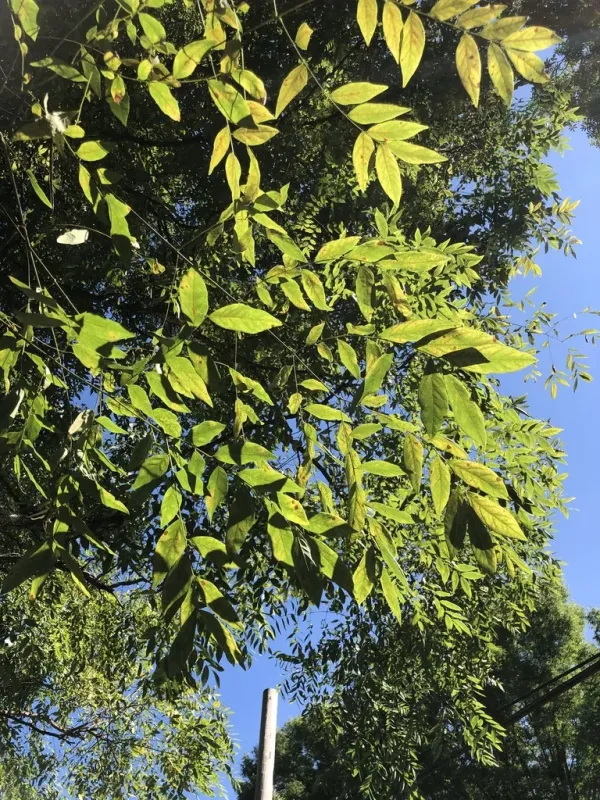
The Chinese coffeetree (Gymnocladus chinensis) is a distinct species within the Fabaceae family. It is a deciduous tree that is widely recognized for its sparse, elegant branching pattern and large, pinnately compound leaves that offer a unique architectural element to its environment.
Originating from the central and eastern regions of China, this species thrives in temperate to subtropical zones. It is typically found in habitats that provide consistent moisture throughout the growing season and deep, fertile soil profiles.
Optimal growth conditions involve well-drained, nutrient-rich soils with a slightly acidic to neutral pH. While the tree can tolerate partial shade, it reaches its full potential in sunny locations where it can develop a dense canopy and maximize photosynthetic capacity.
Cultivation requires careful attention to climate suitability, particularly in the northern reaches of its potential range. Young trees are sensitive to sudden temperature fluctuations and require mulching to protect the root zone during the first few winters of establishment.
Beyond its ornamental appeal, the Chinese coffeetree is valued for the high saponin content found in its seed pods. Historically and currently, these pods serve as a sustainable, natural detergent source, reflecting a growing interest in botanical alternatives to synthetic cleaners.
Harvesting
Harvesting usually takes place in late autumn when the seed pods turn dark brown and become brittle. The timing must be precise, as excessive moisture exposure post-ripening can lead to pod deterioration and quality loss of the contained saponins.
Once harvested, the pods are air-dried in a sheltered area to ensure complete dehydration. This step is critical for preventing fungal growth, which can quickly degrade the organic compounds stored within the seed coats.
Agricultural productivity is optimized through systematic pruning, which promotes the growth of new fruiting spurs. While it is a legume, supplemental phosphorus and potassium may be required in some soil types to enhance pod production rates.
Post-harvest processing involves cleaning the pods to remove debris, ensuring the final product meets standardized quality metrics. These dried pods are then packaged for various industrial or domestic applications.
For commercial growers, establishing a consistent harvest schedule is essential for market supply. Managing the tree's height through early training ensures easier access to the fruit, reducing the labor intensity often associated with tall, unmanaged canopy trees.