
Geissaspis cristata
Geissaspis cristata
Description
Growing requirements
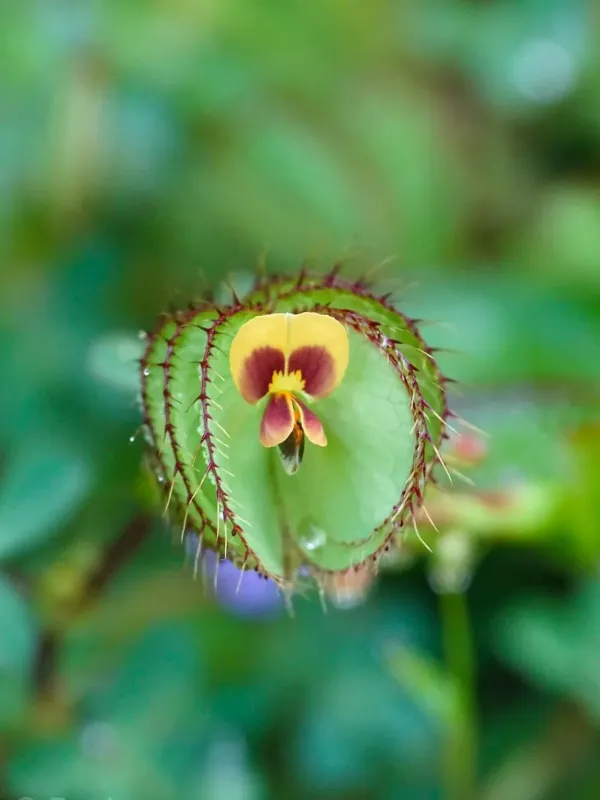
Geissaspis cristata is a herbaceous plant belonging to the Fabaceae family. It is recognized for its unique, comb-like bracts that encapsulate the flowers, which is a key identifying feature of this genus within the legume order.
The species is primarily native to tropical regions of Asia, notably found in India and Southeast Asia. It thrives in monsoon-influenced climates, often inhabiting damp grasslands, paddy field edges, and secondary forest clearings.
To ensure healthy development, Geissaspis cristata requires soil that is well-drained yet retains adequate moisture. It flourishes in soils rich in organic matter, where its root systems can effectively establish symbiotic relationships with nitrogen-fixing bacteria.
Agricultural management should focus on maintaining consistent soil moisture levels while ensuring that drainage is sufficient to prevent hypoxia in the root zone. The plant is best suited for climates where temperatures remain consistently warm, supporting rapid growth cycles.
Economically, this plant serves as a valuable cover crop and green manure. By fixing atmospheric nitrogen, it plays an integral role in soil fertility management, effectively reducing the need for synthetic nitrogen fertilizers in smallholder farming systems.
Main diseases and pests
Fungal pathogens represent the most significant threat, particularly in regions with high rainfall where humidity levels remain constant. Proper field spacing is essential to encourage air circulation and mitigate the risk of mold and leaf spot diseases.