
Geissaspis tenella
Geissaspis tenella
Description
Sowing dates
Sowing typically takes place at the beginning of the rainy season, as the seeds require consistent moisture to break dormancy and emerge successfully.
Seeds should be planted at a shallow depth, typically 1 to 2 centimeters, to ensure they have enough energy to reach the surface while maintaining contact with moist soil.
Proper spacing is crucial to minimize competition between individual plants, allowing for better development of the canopy and higher biomass production.
Once established, the crop demonstrates vigorous growth, quickly covering the soil surface and preventing erosion in degraded areas.
Field management requires careful observation of germination rates to determine if supplemental overseeding is necessary to achieve a full cover stand.
Growing requirements
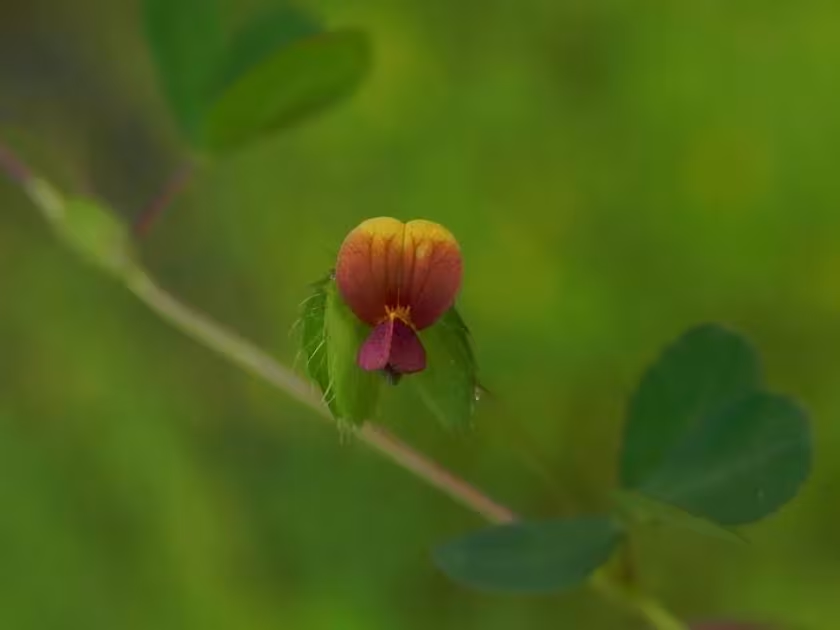
Geissaspis tenella is an annual herbaceous plant belonging to the Fabaceae family. It is known for its delicate stems and distinctive bracts that protect its small flowers, giving it a unique morphological appearance.
Native to tropical regions in Africa and Asia, this plant thrives in savannah-like environments. It prefers well-drained, sandy or light loam soils that provide excellent aeration for its root system.
The culture is strictly a warm-weather plant. It requires high constant temperatures and cannot survive in frost, making it suitable only for tropical or subtropical agricultural zones.
Like many other legumes, it acts as a nitrogen fixer, forming a symbiotic relationship with beneficial soil bacteria, which helps improve the nutritional status of the surrounding soil environment.
In agricultural systems, it is primarily used as a forage component, helping to maintain pasture productivity and providing high-quality protein for grazing livestock.
Main diseases and pests
Fungal pathogens remain the primary threat to this crop, especially during periods of excessive rainfall which increase humidity around the foliage and stems.
Insects such as aphids and various types of weevils can cause significant damage to the plant by feeding on its tender tissues, often leading to reduced vigor.
Root health is vital for this species, and compacted soil or waterlogging can lead to rapid decay of the root system, ultimately killing the plant.
Integrated pest management strategies are recommended, focusing on maintaining biodiversity in the field to naturally control pest populations.
- Regular moisture monitoring
- Soil structure maintenance
- Pest population control