
Eysenhardtia polystachya
Eysenhardtia polystachya
Description
Growing requirements
Eysenhardtia polystachya, commonly known as kidney wood, is a flowering shrub or small tree belonging to the Fabaceae family. It is native to the arid regions of Mexico and Central America, thriving in specialized xeric ecosystems.
The plant requires well-drained, porous soils such as those found on limestone slopes or rocky terrain. It demonstrates exceptional drought tolerance, making it an ideal candidate for cultivation in water-limited agricultural zones.
Optimal growth conditions involve high solar exposure and warm climates with low annual rainfall. Proper site selection must ensure that no water logging occurs, as this species is highly susceptible to root diseases caused by excessive moisture.
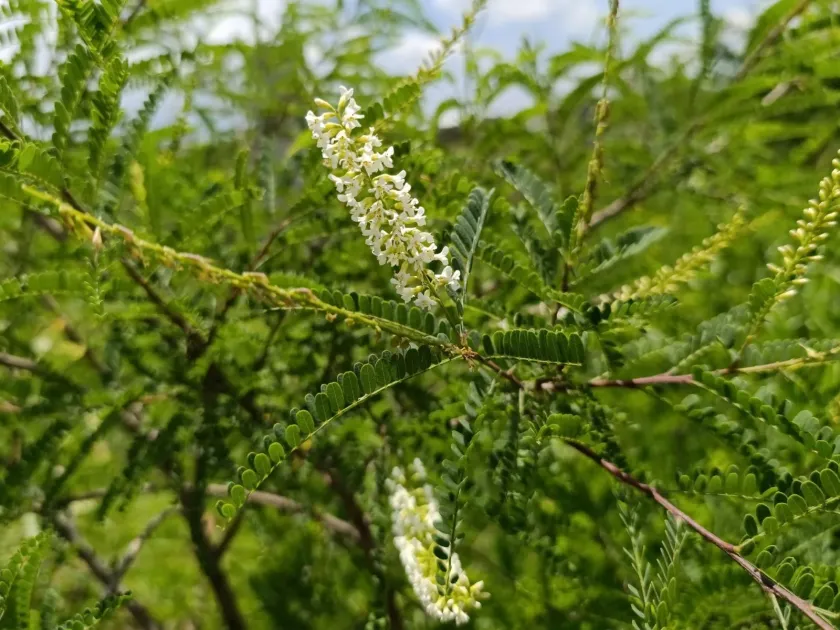
Botanically, it is recognized by its pinnately compound leaves and dense, spike-like inflorescences bearing small, fragrant white flowers. The wood contains specific pigments that cause water to fluoresce, a property historically valued in various applications.
Commercially, the plant is primarily harvested for medicinal purposes, particularly for its diuretic and antiseptic qualities in traditional practices. It also serves as a significant source of nectar for pollinators in its native range.
Main diseases and pests
The primary threats to healthy growth include infestation by bean weevils (Bruchidae) which attack the seeds and potential root rot pathogens. Management involves maintaining soil aeration and monitoring the canopy for signs of typical lepidopteran larvae pests.