
Texas kidneywood
Eysenhardtia texana
Description
Growing requirements
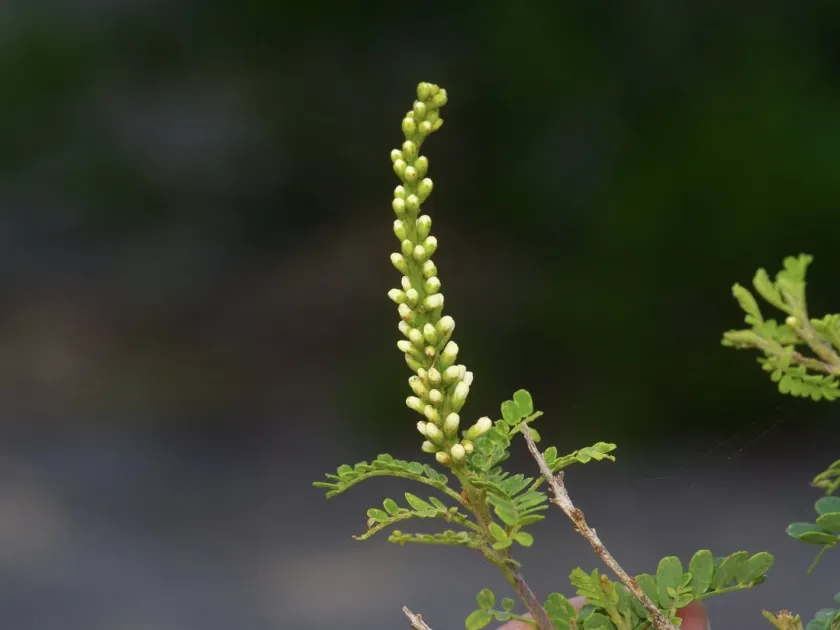
Texas kidneywood (Eysenhardtia texana) is a deciduous shrub belonging to the Fabaceae family. It is native to the arid regions of Texas and Mexico, where it thrives in diverse, harsh environments characterized by low annual precipitation.
This species is highly regarded in xeriscaping for its remarkable ability to withstand prolonged drought. It prefers well-drained, alkaline, limestone-based soils and is typically found on rocky slopes and open scrublands throughout its native range.
In terms of climate, Eysenhardtia texana requires high solar radiation and good air circulation. It is well-adapted to the hot summers of the North American Southwest and can tolerate significant temperature fluctuations if the planting site remains dry during the dormant season.
Agricultural management is focused on providing excellent drainage. Once established, this shrub is extremely low-maintenance and does not require supplementary fertilization, as it is efficient in obtaining nutrients from poor, stony soils.
The plant is extensively used in pollinator-friendly landscapes and honey production. Its fragrant flowers provide significant nectar sources, while its historical use includes the production of a fluorescent dye from its heartwood when submerged in water.
Main diseases and pests
The primary threat to the health of Texas kidneywood is soil saturation, which inevitably leads to root rot pathogens. This condition is almost always the result of improper site selection or poor soil drainage characteristics.
Insect pests are generally not a major concern for mature shrubs. Occasional infestations of leaf-eating larvae can occur, but these are typically manageable and rarely lead to the death of the plant due to its natural vigor.
Fungal leaf spots may appear during exceptionally humid seasons or in poorly ventilated planting conditions. Proper spacing between shrubs is essential to promote airflow and prevent the development of such pathogens.
- Avoid heavy clay soils.
- Ensure adequate distance between plants.
- Monitor for signs of waterlogging.
Chemical intervention should be used sparingly, as the plant is sensitive to specific synthetic fungicides. Cultural control methods, such as removing affected branches, are usually sufficient to maintain the health of the plant.