
Dumasia truncata
Dumasia truncata
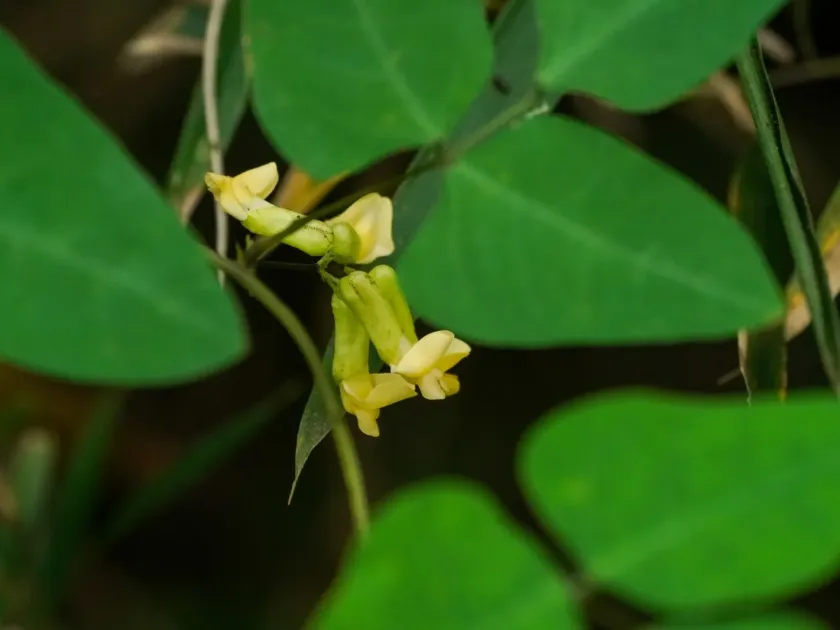
Description
Growing requirements
Dumasia truncata is a perennial herbaceous climbing plant belonging to the Fabaceae family. In its natural habitat, this crop is primarily found in the mountainous regions of Southeast and East Asia, including China and the Himalayas.
The plant prefers well-drained, fertile soils with a neutral to slightly acidic pH. Successful development requires areas with moderate moisture levels where waterlogging is prevented, as the root system is sensitive to excessive wetness.
The crop is light-loving, though it can tolerate light shade when young. The optimal temperature range for vegetation is between 18 and 25 degrees Celsius, while the plant remains adaptable to the cooler climates of its native mountain regions.
Botanically, Dumasia truncata is characterized by trifoliate leaves and legume pods typical of its family. The stems exhibit high growth energy, allowing the plant to quickly cover vertical supports and form a dense canopy of foliage.
The agricultural value of this crop lies in its potential as a source of plant protein and as a nitrogen-fixing plant. Due to its ability to enrich the soil with nitrogen, Dumasia can be utilized in crop rotation systems as a green manure or as a component in perennial forage mixtures.
Main diseases and pests
The primary threats to this crop include fungal diseases of the root system, which occur under conditions of excessive soil moisture. Root rot and Fusarium wilt are considered the most dangerous, often leading to premature wilting and crop failure.
Among pests, leaf-chewing insects and aphids can cause significant damage. Aphids attack young shoots, which stunts overall growth and reduces the plant's ability to produce flowers and seeds effectively.
To combat diseases, adhering to proper crop rotation is recommended, avoiding the continuous cultivation of legumes in the same area. It is also important to ensure good airflow within the fields by maintaining optimal planting density.
Under conditions of high humidity, there is a significant risk of anthracnose infection. Regular monitoring of the foliage for spots helps to identify infection clusters early and allows for timely protective interventions.
To minimize pest damage, it is recommended to use environmentally friendly protection methods, including the application of biological agents. Encouraging entomophages to colonize the field is also beneficial, as they act as natural predators of major legume pests.