
Desmodium incanum
Desmodium incanum DC.
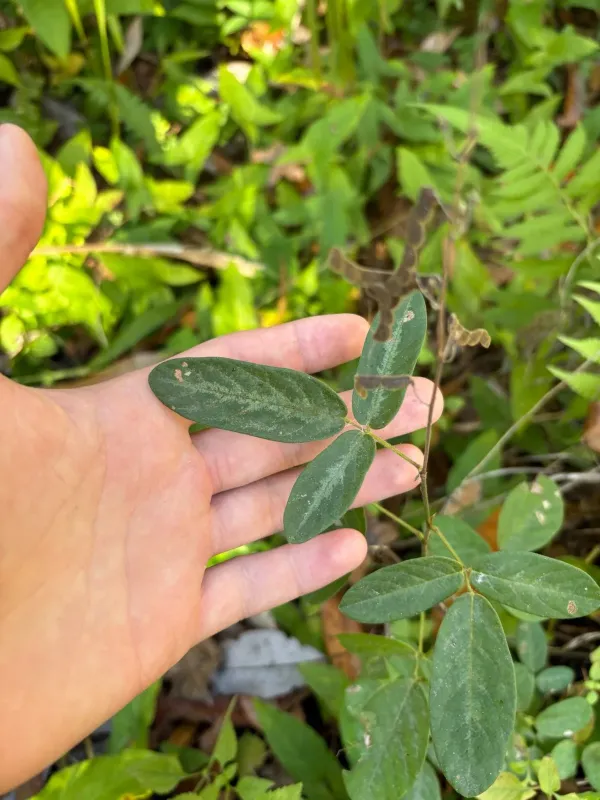
Description
Sowing dates
Desmodium incanum, commonly known as creeping beggarweed, is a perennial legume within the Fabaceae family. It is recognized for its creeping growth habit and ability to spread effectively through stolons and seeds.
For successful establishment, seeds should be sown during the early stages of the rainy season, ensuring adequate moisture for germination and early root development.
Seed scarification is a highly recommended practice, as the seeds possess a hard seed coat that can inhibit water uptake and delay emergence in field conditions.
In terms of sowing density, the plant is often integrated into existing pastures or sown in rows when used for hay production, depending on the specific agricultural goal of the farm.
Initial growth is relatively slow, so effective weed management during the establishment phase is essential to allow the crop to compete successfully and cover the ground.
Growing requirements
Desmodium incanum thrives in a variety of soil types but demonstrates a clear preference for well-drained, fertile soils where it can effectively express its potential for biomass production.
The plant is essentially tropical, requiring warm temperatures to thrive. It is extremely sensitive to frost, which significantly limits its cultivation range to tropical and subtropical zones.
As a nitrogen-fixing legume, it requires the presence of specific Rhizobium bacteria in the soil. On fields where the plant has not been grown before, inoculation of seeds is necessary for healthy development.
It shows moderate tolerance to shade, which allows it to be grown in silvopastoral systems or under the canopy of perennial tree crops, making it a versatile component of agroforestry.
Adequate phosphorus and potassium levels in the soil are crucial, as these nutrients directly influence nitrogen fixation efficiency and the overall vigor of the plant population.
Yield
When managed under intensive grazing or cutting systems, Desmodium incanum produces a significant amount of high-quality forage, rich in protein and essential minerals for ruminants.
The plant significantly improves soil fertility through nitrogen fixation, which benefits not only the legumes themselves but also the associated companion grasses in a mixed pasture.
Yield stability is dependent on proper grazing rotation. Overgrazing can lead to the depletion of reserves in the root system, reducing the plant's ability to regenerate biomass after harvest.
By providing a consistent source of protein throughout the wet season, the crop helps stabilize livestock production and reduces the need for expensive synthetic protein supplements.
Total annual dry matter yield can be substantial, provided the soil moisture levels are maintained through appropriate management and the nutrient requirements are met.
Main diseases and pests
The crop can be susceptible to various fungal diseases, including leaf spot and powdery mildew, which are more prevalent during periods of prolonged high humidity and poor airflow.
Pest pressures often involve leaf-feeding insects that can damage the photosynthetic apparatus, leading to reduced growth rates and lower quality of the harvested green matter.
Waterlogging is a major threat, as it promotes root rot pathogens that can quickly devastate entire stands of the legume, necessitating careful site selection and drainage management.
Integrated pest management strategies are recommended to mitigate these threats, focusing on early detection and the use of resistant varieties where available.
Maintaining a healthy, vigorous stand is the best natural defense against most minor pests, as robust plants are better able to recover from grazing and localized disease pressure.
Harvesting
Harvesting for hay should ideally occur at the early flowering stage, as this represents the optimal balance between high protein content and total biomass yield for livestock consumption.
The drying process should be carried out carefully to prevent excessive leaf shedding, as the leaves contain the highest concentration of the nutrients needed by the animals.
When collecting seeds, it is important to time the harvest accurately, as the pods can become brittle and shatter upon drying, leading to significant field losses during mechanical harvesting.
Post-harvest storage requires a cool, dry environment to maintain seed viability, as high humidity and heat can accelerate the degradation of the seeds and lower their germination rates.
Proper record-keeping of harvest cycles helps in planning subsequent grazing or cutting events, ensuring the long-term sustainability and productivity of the pasture area.