
Desmodium styracifolium
Desmodium styracifolium (Osbeck) Merr.
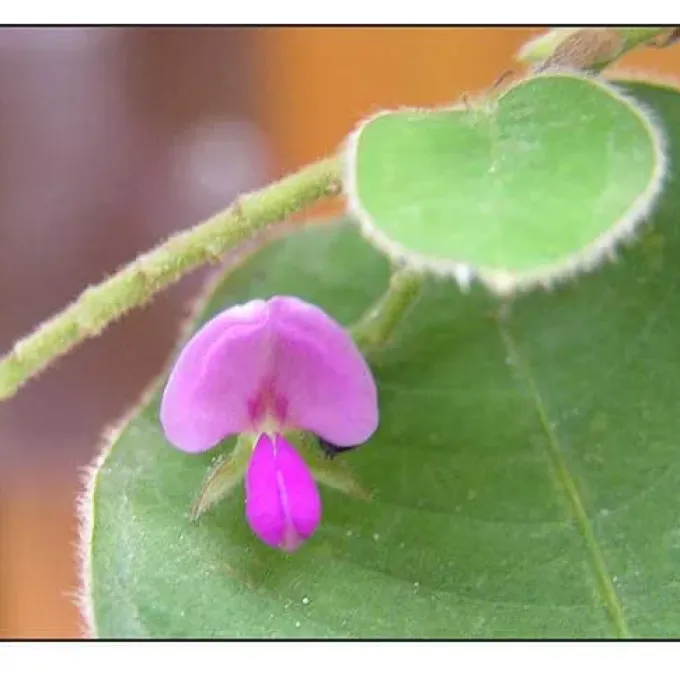
Description
Sowing dates
Sowing Desmodium styracifolium is best performed in the spring when soil temperatures consistently reach 15–20 degrees Celsius. Depending on the climatic zone, the ideal sowing window typically spans from April to May, ensuring that the seeds have a stable environment for germination.
To enhance germination rates, seeds are often soaked in warm water for several hours prior to planting. They should be sown at a depth of 1 to 2 centimeters, with constant soil moisture maintained until the seedlings reach a stage of robust vegetative growth.
In regions prone to late spring frosts, starting seeds in greenhouses is recommended to allow for transplanting once conditions stabilize. Proper spacing of 40–50 centimeters between rows is crucial to promote airflow and prevent overcrowding, which is essential for plant health.
The crop thrives in sunny locations, so fields should be free from any significant shading that could inhibit photosynthesis. Weed control during the early development stage is vital, as young plants struggle to compete with invasive grasses and broadleaf weeds.
In tropical climates where multiple harvests per year are possible, strategic replanting and irrigation scheduling can maximize total seasonal biomass production. Consistent care during the early stages of each cycle ensures that the plants reach their full potential.
Growing requirements
Desmodium styracifolium belongs to the Fabaceae family and is a perennial subshrub native to the subtropical regions of Southeast Asia. It prefers well-drained, fertile soils with a neutral or slightly acidic pH for optimal physiological development.
The plant is moisture-demanding but sensitive to waterlogging, which can easily induce root rot. Maintaining a moderate, consistent moisture level in the soil is critical for both healthy development and high-quality biomass yield.
The optimal temperature range for this species lies between 20 and 30 degrees Celsius. While it can withstand minor temperature fluctuations, consistent warmth without extreme heat or frost is necessary to maintain a steady growth rate.
As a legume, it benefits from the presence of nitrogen-fixing bacteria in the soil, which helps the plant meet its nitrogen requirements. Incorporating organic matter during soil preparation can significantly boost the overall vigor of the crop.
Fields should be situated in areas protected from strong, gusty winds that can damage the relatively thin stems of the plant. Providing shelter or windbreaks can improve overall structural integrity and prevent physical loss of leaf area.
Yield
The yield of Desmodium styracifolium is determined by soil fertility, solar exposure, and the quality of agronomic management. The primary harvest consists of the aerial parts—leaves and stems—which are collected for subsequent processing and extraction.
Under optimal conditions and management, dry biomass yields can range from 2 to 4 tons per hectare. Variations in yield often depend on the planting density and the number of harvests conducted during a single growing season.
The plant exhibits excellent regrowth capabilities after being cut, which allows for multiple harvest cycles per year. However, these repeated cuts require supplemental fertilization to replenish soil nutrients and ensure sustained productivity.
Timing the harvest is critical; the highest concentration of bioactive compounds is typically found when the plant begins to flower. Harvesting at this developmental stage ensures the highest quality of the final product for medical or commercial use.
Productivity also relies on the purity of the crop, as the presence of debris or contaminants during collection can significantly lower market quality. Strict adherence to harvesting standards is essential for achieving a premium final yield.
Main diseases and pests
Desmodium styracifolium generally shows good resilience against common plant diseases. However, high humidity can occasionally trigger fungal issues such as powdery mildew or root rot. Preventive measures include maintaining proper row spacing and ensuring excellent air circulation.
In terms of pests, aphids and spider mites can pose risks by feeding on tender new growth. Monitoring for early signs of infestation allows for the timely application of biological control agents, which is preferred for crops intended for medicinal use.
Leaf-eating caterpillars may also cause mechanical damage to the foliage, necessitating regular field inspections. Early detection of pest hotspots is key to managing outbreaks before they result in widespread damage to the vegetative biomass.
Nematodes in the soil can interfere with root function, potentially stunting growth. Implementing a strict crop rotation schedule helps reduce nematode population densities, promoting long-term soil health and preventing chronic crop stress.
Environmental stress factors, such as prolonged drought or extreme saturation, can weaken the plant's natural defense systems. Effective water management is essential to keep the crop robust and resistant to potential opportunistic pathogens.
Harvesting
Harvesting should be conducted during the initial flowering phase to maximize the yield of active secondary metabolites. Stems should be cut approximately 15 centimeters above the soil line to allow the root system to generate new growth for subsequent cycles.
Collected biomass should be promptly moved to the drying area to prevent overheating or fermentation. During sunny weather, morning harvests are preferred to avoid the negative effects of intense heat on the plant material.
Drying is best accomplished in shaded, well-ventilated rooms to preserve the plant's color and chemical integrity. Controlled industrial dryers set at temperatures below 45 degrees Celsius are also suitable for larger scale operations.
Once dried, the raw material is processed and milled to the required specifications. This stage is crucial for ensuring the stability and potency of the final product, which is often used in herbal pharmaceutical applications.
Proper storage is essential; the dried material must be kept in cool, moisture-free conditions in sealed packaging. This prevents moisture-related degradation and ensures that the quality of the harvested crop is maintained throughout the supply chain.