
Tick-trefoil
Desmodium tortuosum (Sw.) DC.
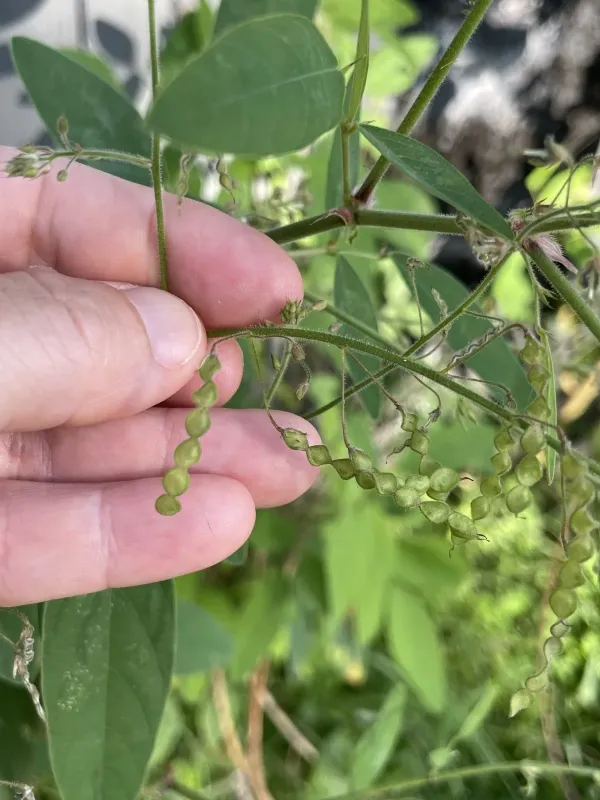
Description
Sowing dates
Desmodium tortuosum is a warm-season crop, so planting should only occur after stable warm weather is established and soil temperatures reach at least 18–20°C. Late spring is the optimal time for sowing, ensuring that any risk of late frost has completely passed.
The seeds possess a hard seed coat, which is why scarification or soaking in water for several hours before planting is often recommended. This simple treatment improves germination rates and ensures more uniform plant establishment across the field.
The ideal planting depth is approximately 1–2 centimeters. Sowing too deeply reduces the emergence energy of the seedlings, which can lead to sparse stands and increased competition from weeds during the critical early stages of vegetative growth.
When grown as a monoculture or in legume mixtures, row planting is the preferred method. This allows plants sufficient space to develop and access sunlight, as Desmodium tends to bush out significantly when given enough room to grow.
Adequate soil moisture at the time of sowing is vital. In arid spring conditions, post-sowing rolling is a standard agronomic practice that ensures excellent contact between the seeds and the soil matrix, facilitating rapid water uptake.
Growing requirements
As a member of the Fabaceae family, this crop has specific environmental needs. It thrives in well-drained, fertile loamy or sandy soils with a neutral to slightly acidic pH level.
While Desmodium tortuosum displays high tolerance for temporary moisture deficits, it requires consistent rainfall or supplemental irrigation during periods of peak vegetative growth to produce maximum biomass yields.
The plant is highly sensitive to cold and does not tolerate freezing temperatures. The ideal growth temperature ranges from 22°C to 30°C, which restricts its natural and agricultural distribution to tropical and subtropical climates.
Light availability is a critical factor for success: significant shading drastically slows down growth rates. The plant adapts well to nutrient-poor soils through its symbiotic relationship with nitrogen-fixing bacteria, though it responds positively to phosphorus and potassium fertilization.
It tolerates high humidity well, making it a promising option for humid tropical environments. Proper site preparation is essential to prevent water stagnation, as the root system is susceptible to decay under prolonged waterlogged conditions.
Yield
The biomass yield of Desmodium tortuosum depends heavily on management intensity and seasonal conditions. Under optimal circumstances, the crop is capable of producing significant amounts of leafy forage in a relatively short timeframe.
Maintaining an optimal plant population density results in high forage productivity, making this species a valuable component for hay meadows or as a nutritious green feed for livestock.
The crop's ability to recover quickly after harvesting allows for multiple cuts throughout the growing season. This capability significantly increases the total annual yield per hectare in intensive farming systems.
When producing seeds, it is important to account for the plant's extended flowering period. Careful timing of the harvest is necessary to prevent yield loss caused by pod shattering and subsequent seed dispersal in the field.
In low-fertility soils, yields are lower, but the crop remains a robust choice for marginal lands where more demanding forage species fail to provide economic returns.
Main diseases and pests
Fungal infections, particularly leaf spots and molds, are the primary threats when humidity is high and stand density is too thick. Maintaining adequate airflow through proper spacing helps mitigate these risks.
Pests such as weevils and various lepidopteran larvae that target the flowers and pods can severely impact seed production. Regular monitoring of the fields allows for the timely application of control measures when necessary.
Weed competition is most problematic during the first 30–40 days post-germination. It is crucial to manage weed pressure early, as the slow initial growth of Desmodium seedlings makes them easily suppressed by aggressive weed species.
Nematodes that damage the root system can become a limiting factor, especially when the crop is grown continuously on the same plot for several years. Implementing a sound crop rotation plan is recommended to prevent the buildup of soil-borne pathogens.
- Fungal root rots in waterlogged soils
- Leaf-eating insect larvae
- Seedling damage from soil-dwelling pests
- Viral mosaic diseases (transmitted by insects)
Harvesting
For green forage, harvest should take place at the onset of flowering. At this growth stage, the plant reaches its peak concentration of protein and essential nutrients, maximizing its value as livestock feed.
Seed harvest is conducted once the pods turn brown. It is critical to harvest before the pods are completely dry to prevent natural shattering and the loss of seeds on the ground.
Mechanical harvesting requires specific equipment adjustments suitable for small-seeded legumes. Gentle handling of the biomass is essential to preserve the nutrient-rich leaves, which are the most valuable part of the plant.
Once harvested, the material must be quickly wilted or transported to processing facilities. In hot climates, delays lead to rapid moisture loss and a significant reduction in the forage's overall nutritional quality.
Storage of harvested seeds requires thorough drying to a moisture content of no more than 10–12%. Maintaining these levels is vital for preserving long-term germination potential and preventing mold growth during storage.