
Cynometra inaequifolia
Cynometra inaequifolia
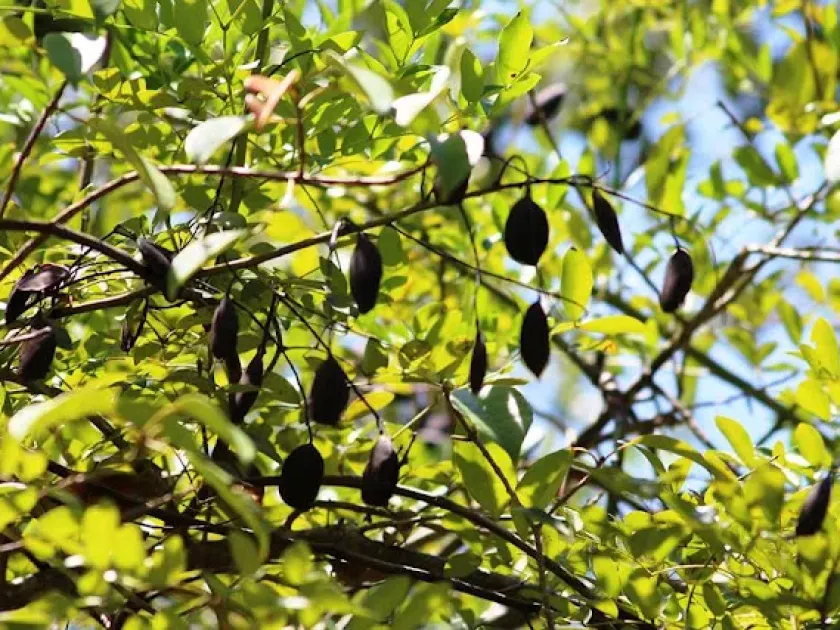
Description
Sowing dates
Cynometra inaequifolia is a tropical tree species typically propagated via seeds. Due to their relatively short viability period, seeds should be sown as soon as possible after harvesting in well-prepared nursery beds or specialized containers.
The optimal sowing time aligns with the beginning of the rainy season, ensuring the necessary humidity levels for successful germination. Pre-sowing treatments, such as mechanical scarification, can be employed to enhance and uniform the germination rate.
The growing substrate must be light, well-draining, and nutrient-rich to prevent damping-off diseases in young seedlings. Protecting the young plants from direct, harsh sunlight during the initial growth phases is essential for their establishment.
Seedlings are typically ready for transplanting into permanent locations after reaching a height of 40-60 centimeters, usually within a year. Careful root management during the transplanting process is crucial to ensure high survival rates in the field.
Post-planting agronomy involves regular monitoring of seedling progress, initial weed suppression, and occasional application of organic fertilizers to encourage steady vegetative development during the first few years.
Growing requirements
Belonging to the Fabaceae family, Cynometra inaequifolia is highly adapted to humid tropical climates. It thrives in regions with consistent high temperatures and rainfall throughout the year, without significant seasonal droughts.
The species prefers deep, fertile, and well-drained soils. Waterlogged conditions must be strictly avoided, as the root system is highly sensitive to hypoxia, which can lead to rapid decline or the development of root-rot pathogens.
While young trees can tolerate partial shade, mature specimens require full sun exposure to maximize photosynthetic efficiency and wood production. Proper spacing is important to ensure each tree receives adequate light and air circulation.
Maintaining a high level of air humidity is vital for optimal growth. In areas where precipitation might be uneven, the implementation of irrigation systems is highly recommended to prevent growth check during dry spells.
Soil fertility management should focus on preserving organic matter content. Mulching around the tree base helps retain soil moisture, suppresses weeds, and fosters beneficial microbial activity in the root zone.
Yield
The primary хозяйственное (economic) utility of Cynometra inaequifolia lies in its high-quality timber. The wood is prized for its density, hardness, and natural resistance, making it an excellent resource for carpentry and construction.
Yield estimation is based on the volume of quality timber produced per hectare over the growth rotation period. Proper pruning techniques are essential to ensure the development of a straight, high-quality main trunk, which increases the overall value of the yield.
In addition to industrial uses, the tree contributes to agroforestry systems. As a member of the legume family, it can contribute to nitrogen fixation, thereby improving soil nutrient levels for neighboring crops or forest species.
Strategic management of plantations, including thinning operations, allows for the removal of suppressed or malformed trees, ensuring that the remaining specimens receive optimal resources for continued rapid growth.
The long-term value of this tree makes it a sustainable choice for reforestation projects, providing both economic returns through timber and environmental benefits through improved soil structure and biodiversity support.
Main diseases and pests
Cynometra inaequifolia is susceptible to various tropical forest pathogens. Root rot remains the most significant threat, often induced by poor soil drainage and stagnant water, especially during the seedling and sapling stages.
Leaf-feeding insects and caterpillars can cause significant defoliation in young plantations. Integrated pest management (IPM) strategies, which prioritize natural predators and biological controls, are preferred to maintain ecological balance.
Boring beetles represent a severe risk to mature trees, as their larvae can penetrate the wood, significantly lowering timber quality. Regular inspection of trunks is necessary to identify early signs of infestation and prevent widespread damage.
Fungal leaf diseases may occur in areas with extremely high humidity and poor ventilation. Maintaining appropriate planting distances and thinning crowded canopies are effective methods to mitigate the risk of such infections.
Success in managing threats depends on proactive monitoring and maintaining high tree vigor. A well-nourished and correctly managed tree is significantly more resilient against common pests and diseases throughout its lifecycle.