
Cynometra alexandri
Cynometra alexandri
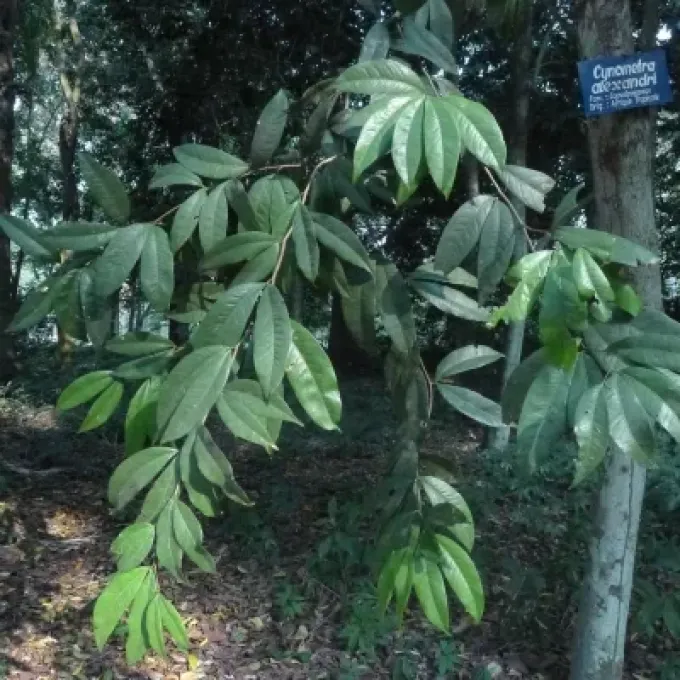
Description
Sowing dates
Cynometra alexandri, a member of the Fabaceae family, is a significant tropical tree species native to the moist forest zones of Central and East Africa.
Seed propagation is the primary method of cultivation, requiring specialized nursery environments to ensure high germination rates and seedling survival.
Seeds are often pre-treated or soaked in water to soften the outer testa, facilitating the emergence of the radicle in controlled humidity conditions.
The transition from nursery to field must occur during the onset of the rainy season to minimize water stress and encourage rapid initial growth.
Proper spacing is crucial when establishing new plantations to accommodate the eventual canopy spread of this large, slow-growing tree species.
Growing requirements
This tree thrives in deep, fertile alluvial soils that offer excellent drainage, which is typical of the riverine environments within its native range.
Cynometra alexandri requires a stable tropical climate characterized by consistently high humidity, substantial annual rainfall, and warm temperatures.
Shade management is vital during the early stages of development, as the species naturally regenerates beneath the forest canopy in low-light conditions.
Soil nutrient status is important for healthy growth, and the addition of organic mulch can improve soil structure and moisture retention for younger trees.
Protection from invasive weeds and competing vegetation is necessary during the first few years to ensure the saplings establish a dominant root system.
Yield
The primary yield from this species is its exceptionally dense and durable timber, commercially referred to as Uganda ironwood.
The wood is prized for its high resistance to fungal decay and insect attacks, making it a premium material for heavy-duty industrial applications.
Key uses include high-strength flooring, bridge construction, sleepers, and high-end cabinetry where long-term durability is the priority.
Due to the extremely slow growth rate, rotational harvest cycles for sustainable forestry are often set for several decades to maintain supply.
The economic value of this hardwood remains high, driving interest in formalizing its cultivation and protecting existing natural forest stocks.
Main diseases and pests
Fire poses the most significant threat to Cynometra alexandri, as the species is highly sensitive to heat and lacks fire-resistant bark structures.
Various xylophagous insects can compromise the structural integrity of the wood, necessitating rigorous forest health monitoring and integrated pest management.
Root pathogens and fungal diseases may manifest if water stagnation occurs, particularly in poorly drained forest plantation sites during heavy floods.
Anthropogenic pressure, specifically deforestation and land-use changes, presents a constant challenge to the survival of natural populations.
Climate change effects, such as altered rainfall patterns, threaten to disrupt the delicate ecological balance required for natural regeneration.
Harvesting
Harvesting strategies for this species are based on sustainable forest management principles, focusing on selective logging rather than clear-cutting.
Timber extraction must be conducted using low-impact machinery to preserve the integrity of the surrounding forest floor and nearby young vegetation.
Post-harvest processing involves slow, controlled drying to prevent the dense wood from cracking or warping due to sudden moisture loss.
Logistical challenges often include transporting heavy timber from remote tropical inland sites to coastal shipping hubs or local processing plants.
Certified timber labels provide proof of origin, ensuring that the harvested material comes from managed forests rather than illegal logging sources.