
Cynometra cauliflora
Cynometra cauliflora L.
Description
Sowing dates
Propagation of Cynometra cauliflora is primarily achieved through seeds. Fresh seeds possess high germination rates, but they must be sown immediately into prepared substrate as they lose viability rapidly upon drying.
For sowing, use a loose, well-draining soil mix enriched with organic fertilizers. The temperature range for successful germination should be maintained between +25°C and +30°C with stable high humidity.
The seeds are planted 2–3 centimeters deep into the soil. The first sprouts usually appear 3–5 weeks after sowing, depending on seed quality and environmental stability within the greenhouse or nursery.
Once two pairs of true leaves emerge, the seedlings require transplanting into individual containers. It is crucial to avoid root system damage, as this species is extremely sensitive to transplantation during early developmental stages.
Young trees are transplanted to their permanent site in the garden or plantation once they reach a height of 50–70 centimeters. The optimal planting density depends on crown formation patterns, typically requiring at least 6–8 meters of spacing between trees.
Growing requirements
Cynometra cauliflora is a typical representative of tropical flora belonging to the Fabaceae family. In the wild, it is found in the forests of Southeast Asia and Sri Lanka, preferring hot and humid tropical climates.
The plant requires high solar exposure; however, young trees need partial shading during their first years of growth. Ideal conditions for active development are provided by evenly distributed rainfall throughout the year.
The crop prefers deep, fertile, loamy soils with excellent drainage. Water stagnation in the root zone is highly undesirable, as it triggers root rot and negatively impacts the tree's overall physiological status.
The temperature optimum for vegetation is between +24°C and +32°C. The tree does not tolerate freezing temperatures, which limits its commercial cultivation exclusively to tropical zones without distinct cold seasons.
Regular application of balanced organic fertilizers is recommended to maintain plant health. Special attention should be paid to soil mulching, which helps preserve moisture and suppress weed growth in the root zone.
Yield
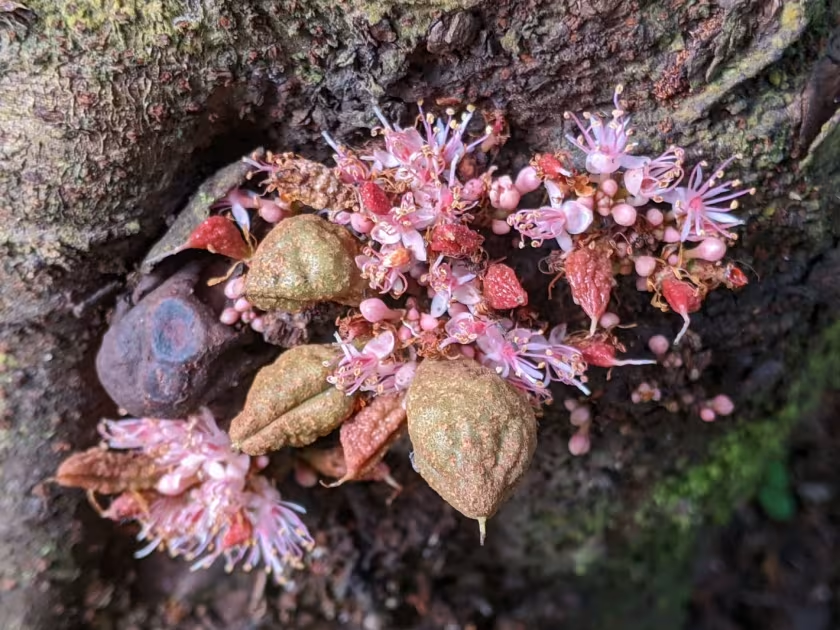
The yield of Cynometra cauliflora is characterized by its distinct cauliflory, where fruits develop directly on the trunk and thick branches. This biological trait allows the tree to support the weight of the fruit without risking damage to thinner shoots.
The fruits are leathery, irregularly shaped pods up to 10 cm in length, containing edible pulp. They are commonly used in cooking as ingredients for pickles, seasonings, or as components in traditional Asian desserts.
The frequency of fruiting depends on the farming system and water availability. Under optimal conditions, the tree can produce fruit twice a year, making it a valuable asset for home and small-scale tropical orchards.
Harvesting requires caution, as the fruits can be damaged by rough mechanical handling. The degree of maturity is determined by a color change of the fruit skin from green to brownish or dark brown.
The economic value of this crop lies in the high demand for its fruits in local markets. Despite its limited range, Cynometra remains a significant component of agroforestry systems, providing dietary variety for local populations.
Main diseases and pests
Major threats to Cynometra cauliflora involve pathogens typical of humid tropical regions. Fungal leaf infections often arise from poor ventilation within the crown or excessive planting density.
Pests, such as mealybugs and various aphid species, can infest young shoots, sucking sap and reducing the plant's vitality. Regular monitoring of the canopy is essential to detect infestation pockets at an early stage.
- Bacterial leaf spots caused by excessive humidity.
- Root rot resulting from poor drainage management.
- Fruit infestation by fruit flies during the ripening season.
Integrated pest management is recommended for controlling diseases and pests. The use of biological insecticides is prioritized due to their lower toxicity to beneficial garden fauna.
Prevention includes sanitary pruning, ensuring light penetration, and maintaining air circulation within the tree crown. Clearing fallen fruits and leaves helps prevent the buildup of infectious agents in the soil surrounding the tree.