
Cynometra malaccensis
Cynometra malaccensis
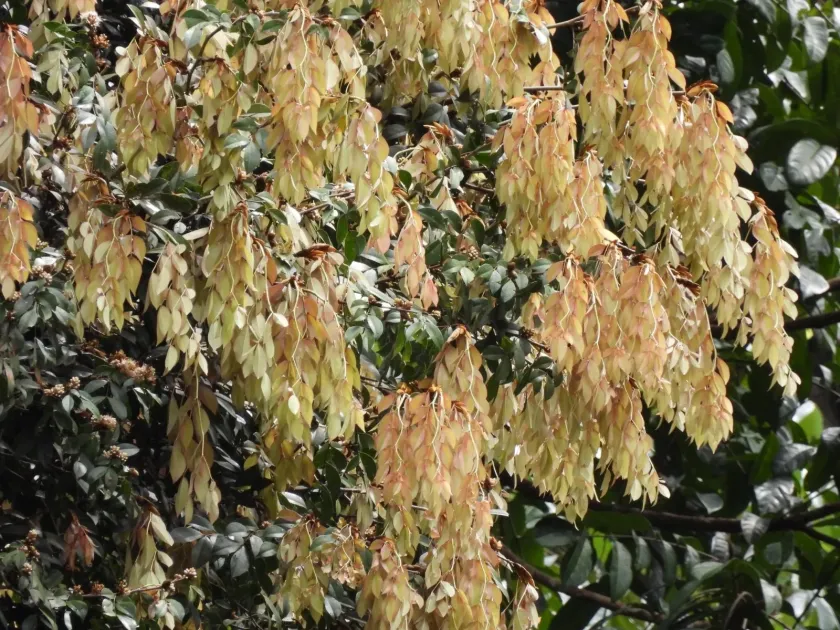
Description
Growing requirements
Cynometra malaccensis is a prominent tropical tree species belonging to the Fabaceae family. Native to the humid tropical forests of Southeast Asia, it is highly valued for its robust growth and the structural quality of its wood in its natural habitat.
This species thrives in a climate characterized by high annual rainfall and consistent, warm temperatures throughout the year. It does not tolerate frost and prefers areas where seasonal changes are minimal, ensuring continuous vegetative development.
Regarding soil, the species performs best in deep, well-drained, and nutrient-rich substrates. It is commonly found in lowland forests and near riverbanks, indicating a preference for soil with good moisture retention but enough drainage to prevent waterlogging.
Silvicultural management requires careful attention to light exposure. While young saplings may benefit from partial shade to reduce transpiration stress, mature trees require significant canopy space to maintain optimal growth rates.
Maintaining soil fertility through sustainable practices, such as incorporating organic mulch and avoiding heavy tillage, helps ensure the longevity and health of the trees in a plantation setting.
Yield
The yield of Cynometra malaccensis is measured by the quality and volume of timber produced upon reaching maturity. Because it is a long-rotation crop, management strategies must focus on long-term health rather than short-term gains.
Optimal yields are achieved through meticulous spacing of trees, which reduces competition for nutrients and water, thereby allowing the trunk to develop a straighter and more consistent grain structure.
Research suggests that appropriate thinning intervals are crucial for maximizing the biomass output of each individual tree, ultimately leading to higher commercial value for the timber harvest.
Genetic selection of planting material—choosing seeds from the most vigorous and disease-resistant mother trees—can significantly improve the overall productivity of a forest plot over multiple generations.
The sustainable management of these trees not only ensures a steady timber supply but also contributes to the restoration of forest structures, proving that economic yield can align with environmental goals.
Main diseases and pests
The main threats to Cynometra malaccensis involve fungal pathogens, particularly those affecting the roots in areas with poor drainage. Once established, these infections can weaken the structural integrity of the tree.
Pests such as bark borers and termites represent a significant threat to timber quality. Regular monitoring is essential to detect early infestations and apply necessary silvicultural controls before damage becomes widespread.
Environmental stressors, including illegal clearing and habitat fragmentation, can disrupt the natural biological cycles of these trees, making them more susceptible to widespread diseases and climate-related decline.
Invasive weed species can compete aggressively with young saplings for sunlight and nutrients. Implementing a maintenance schedule that includes regular weeding is critical during the first few years of the plantation phase.
Adhering to integrated pest management (IPM) strategies, which prioritize the use of natural predators and biological controls, can help mitigate these threats while reducing reliance on synthetic chemicals.
Harvesting
The harvesting of Cynometra malaccensis is conducted via selective logging once trees have attained the desired diameter. This method is preferred to maintain the ecosystem's functionality and prevent soil erosion.
During the harvest, precision is vital; proper felling techniques ensure that damage to the surrounding vegetation and the ground surface is kept to an absolute minimum.
Primary processing usually involves debranching and debarking on-site. This step is crucial for preventing the onset of rot and protecting the timber from insect attacks before it reaches the processing facility.
After the trees are removed, the site undergoes immediate reforestation protocols. This ensures that the next cycle of growth begins promptly, keeping the land productive and healthy.
The use of advanced logistics and equipment helps optimize the speed of extraction, preserving the physical characteristics of the timber and ensuring it reaches the market in the best possible condition.