
Cynometra lenticellata
Cynometra lenticellata
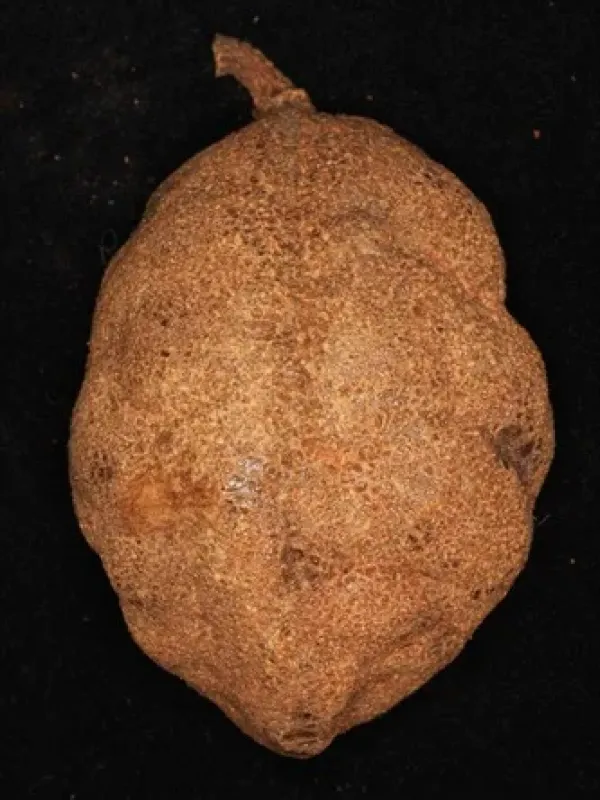
Description
Growing requirements
Cynometra lenticellata is a notable species within the Fabaceae family, recognized for its specific structural adaptations as a tropical tree. It is primarily found in regions with high humidity and consistent temperatures, essential for its physiological processes.
The cultivation of this species requires well-drained, nutrient-rich soils that support deep root systems. As a leguminous plant, it contributes to nitrogen cycles in forest ecosystems, which is a significant factor in local ecological management.
Botanically, the plant is identified by its lenticels—small pores on the bark—which facilitate gas exchange. Its foliage typically consists of compound leaves, and the growth pattern is structured to thrive in the competitive environment of tropical forests.
Economic usage revolves around timber production, as the wood is valued for its durability and structural integrity. Sustainable harvesting practices are encouraged to ensure the longevity of these stands and to protect local biodiversity.
Optimal growth is observed in protected environments where moisture levels are balanced and competition with invasive species is minimized. Proper spacing during initial planting phases is critical to allow each tree sufficient access to nutrients and light.
Main diseases and pests
Pests that target the bark and inner wood structure represent the most significant threat to the health of Cynometra lenticellata. Borers can create deep tunnels, compromising the timber quality and the tree's structural stability.
Fungal pathogens pose a constant risk, particularly in high-humidity zones where spores can propagate rapidly. These fungi often cause leaf spotting and can exacerbate the decline of trees already stressed by environmental factors.
Young plantations are frequently vulnerable to foliar damage from herbivorous insects. Implementing physical barriers or encouraging natural predator populations are effective strategies for managing these pest outbreaks.
Root rot is a major concern in waterlogged soil conditions, leading to the rapid decay of the root system. Proper site assessment and the implementation of drainage systems are vital for preventing these subterranean hazards.
Ongoing monitoring of plantation health is essential for early detection of potential threats. By maintaining a clean and aerated growing environment, managers can mitigate most risks associated with disease and insect infestations.