
Bossiaea walkeri
Bossiaea walkeri
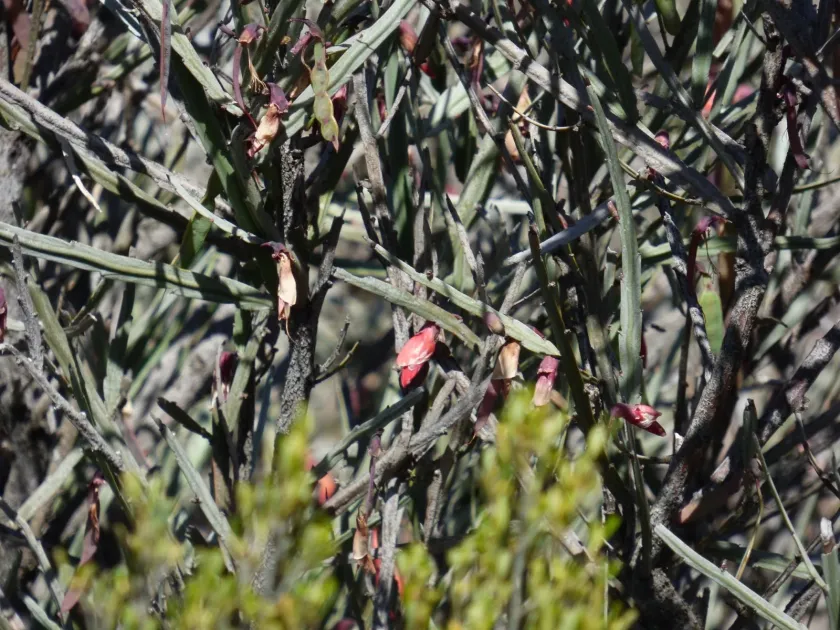
Description
Growing requirements
Bossiaea walkeri is a perennial shrub belonging to the Fabaceae family, native to the arid and semi-arid regions of Australia. This species is recognized for its unique, flattened stems that effectively conduct photosynthesis, an adaptation to extreme environmental conditions.
The plant thrives in well-drained, sandy, or rocky soils typical of its native habitat. Agriculture management requires maintaining low soil moisture levels, as the plant is highly sensitive to waterlogged conditions that lead to root zone hypoxia.
In terms of light, Bossiaea walkeri requires full sun exposure to maintain structural integrity and vigor. Insufficient light results in elongated, weak stems that reduce the ornamental value and overall health of the shrub.
The climate requirements include a warm, temperate to subtropical environment. It is not cold-hardy and should be kept in protected conditions if temperatures fall below established tolerance thresholds.
Agricultural use of this species is largely limited to specialized ornamental nurseries and botanical collections. It serves as a biological model for studying drought tolerance and adaptation mechanisms within the legume family.
Main diseases and pests
The primary threats to Bossiaea walkeri in a cultivation setting are fungal pathogens, specifically those causing root rot. Excessive moisture or poor drainage usually triggers these infections, which spread rapidly through the root system.
Pests such as aphids and spider mites can infest the plant, particularly in sheltered or indoor environments with low airflow. Consistent monitoring and the use of integrated pest management are recommended.
Leaf spot diseases may occur under conditions of high humidity combined with poor ventilation. To prevent this, keeping the canopy dry and ensuring adequate spacing between individual plants is essential.
Soil-borne pests like nematodes can cause significant damage to the root system, leading to stunted growth. Using high-quality, pasteurized potting media is a critical preventative step for greenhouse production.
Proper pruning practices contribute significantly to plant health by removing dead or dying tissue that could otherwise harbor pathogens, thus maintaining the overall resistance of the shrub to diseases.