
Bobgunnia madagascariensis
Bobgunnia madagascariensis
Description
Growing requirements
Bobgunnia madagascariensis is a prominent tree species belonging to the Fabaceae family. Native to tropical Africa and Madagascar, this species is well-adapted to savanna environments and diverse dry forest ecosystems.
The tree thrives in full sun exposure and requires a warm climate to maintain vigorous growth. It is highly valued for its adaptability to seasonal rainfall patterns, characteristic of the tropical regions it inhabits.
Soil preferences include well-drained, nutrient-rich substrates. The root system is sensitive to waterlogging, necessitating excellent soil aeration and effective water management practices during the early planting stages.
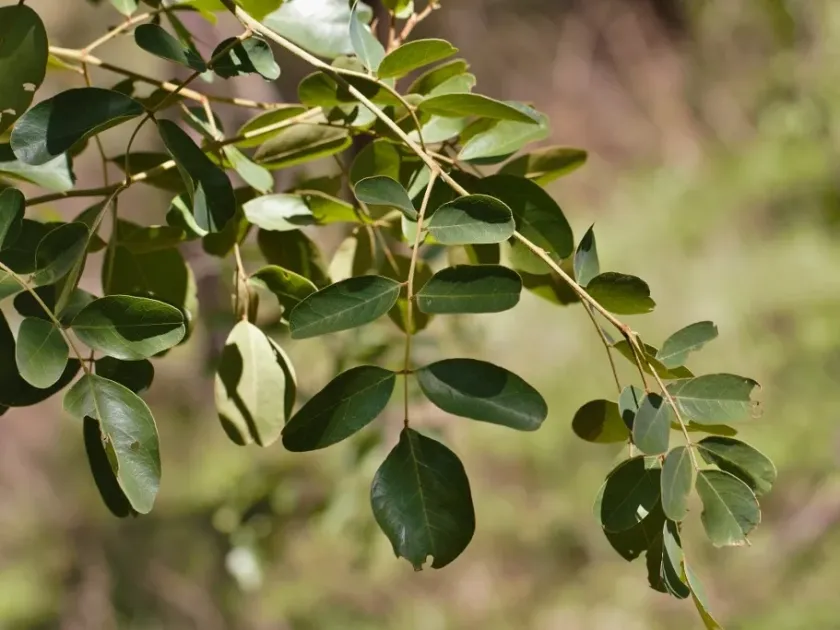
Botanically, it features pinnate leaves and distinctive hard-shelled fruits. The tree can reach significant heights, providing not only timber but also ecological benefits to its native landscape.
Cultivation practices involve selecting sites that mimic natural habitats. Protection from frost is mandatory, as this tropical tree lacks the physiological mechanisms to survive freezing temperatures.
Yield
The economic value of this tree is diverse, with timber production being a primary focus. Its wood is highly prized for its durability, resistance to wood-boring insects, and aesthetic quality.
The plant is scientifically recognized for its medicinal potential. Bark and seeds contain saponins and other phytochemicals that exhibit potent antimicrobial and anti-parasitic activities in clinical studies.
Local agricultural systems utilize the fruits as organic pest control agents. This traditional knowledge is increasingly being integrated into modern organic farming protocols to reduce chemical reliance.
Sustainable harvesting is essential for the longevity of the industry. Controlled collection of botanical material ensures that the population remains viable while meeting market demand for pharmaceutical ingredients.
While large-scale industrial plantations are still in the development phase, the potential for producing natural bio-pesticides and pharmaceuticals makes it an interesting focus for agro-investment.
Main diseases and pests
Key threats include leaf-eating insects and boring pests that can damage the tree's health. In high-humidity environments, fungal infections may affect both the foliage and the root system of younger specimens.
Habitat loss due to deforestation is the most significant threat to the species in the wild. Protecting natural corridors is necessary to maintain the genetic diversity of the plant.
To mitigate damage from pests, regular orchard monitoring is recommended. Manual intervention, such as pruning damaged limbs, is often sufficient to maintain the health of mature trees.
Competition from fast-growing weeds in the nursery stage requires constant management to prevent nutrient depletion and stunted growth of the seedlings.
Implementation of integrated pest management (IPM) strategies, which prioritize biological controls, is highly recommended to protect the integrity of the plant's medicinal compounds.