
Bobgunnia fistuloides
Bobgunnia fistuloides
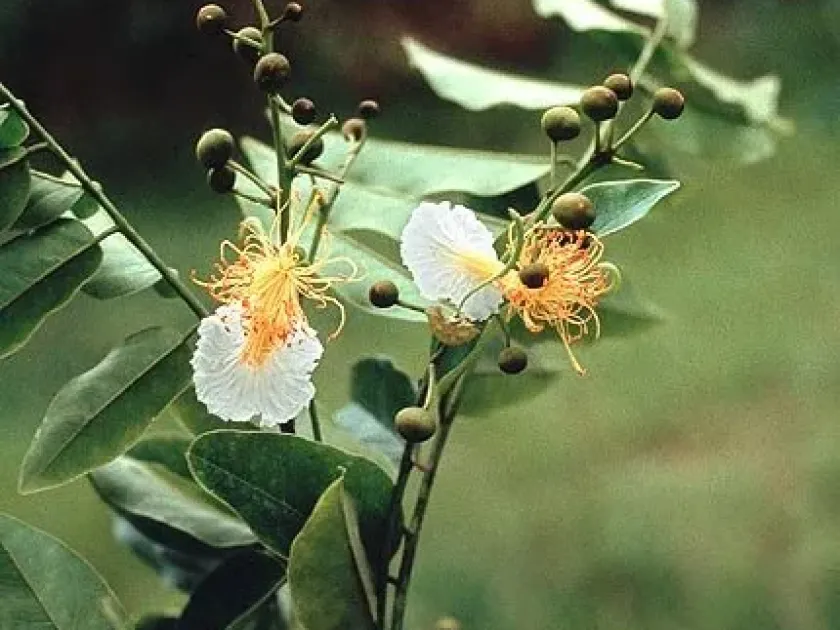
Description
Sowing dates
Bobgunnia fistuloides is primarily propagated via seeds. The seeds possess a thick seed coat, which typically necessitates scarification or soaking treatments to break dormancy and ensure consistent germination rates in nursery conditions.
Sowing should be performed in a well-draining substrate, preferably rich in organic matter. Nurseries should be set up at the onset of the rainy season to provide the seedlings with natural irrigation during their most vulnerable stage of development.
Seedlings are typically ready for transplanting into plantation sites after reaching 6 to 12 months of age. The root ball must be handled with care during the transplanting process to prevent root shock and ensure survival.
Planting density is a crucial management factor. Depending on the intended end-use of the timber, spacing should allow for adequate canopy expansion and root system competition management to avoid stunted growth.
Routine nursery care, including weeding and monitoring for fungal pathogens, is essential to supply healthy saplings that are prepared to thrive in the complex conditions of a tropical field site.
Growing requirements
As a member of the Fabaceae family, Bobgunnia fistuloides is adapted to the tropical climatic zones of West and Central Africa. It thrives in high-temperature environments with distinct, recurring rainy periods.
The ideal soil profile for this species consists of deep, fertile, and well-aerated soils. The plant shows significant intolerance to waterlogged conditions, making effective drainage systems a prerequisite for successful cultivation.
Light requirements evolve with the age of the tree. While saplings benefit from partial shade during their initial establishment, mature trees require full sunlight to maintain high metabolic rates and efficient wood production.
This species is highly susceptible to frost and cold snaps, which limits its commercial cultivation to strictly tropical latitudes. Maintaining a consistent thermal environment is key to plant vitality.
Agrotechnical practices should focus on maintaining soil health and preventing competition from invasive grasses, which can easily outcompete young Bobgunnia trees in the early years of plantation establishment.
Yield
The primary economic output of Bobgunnia fistuloides is its high-quality timber. Known for its durability and structural integrity, the wood is highly sought after for premium furniture, joinery, and specialized construction projects.
Secondary benefits include the use of its bark and seeds in traditional pharmacopeia. Various compounds found in these parts have been noted for their potential antimicrobial and therapeutic properties in folk medicine.
Yield estimation for forestry operations is measured in volume of merchantable timber over a long rotation period. The productivity is highly dependent on the tree's health, site fertility, and silvicultural management.
Sustainable harvesting methods, such as selective thinning and non-destructive bark collection, allow for diversified economic returns over the lifespan of the tree plantation.
Maximizing yield requires a long-term commitment to forest management, including periodic monitoring of tree growth rates and the implementation of soil enrichment practices to sustain the productivity of the site.
Main diseases and pests
Fungal root rot is a major threat, particularly when soil management does not account for the tree's need for aeration. Excess soil moisture can lead to rapid decline in both saplings and mature trees.
Wood-boring insects and various types of weevils pose a significant risk to the plant's health by creating galleries in the bark and sapwood, which can weaken the structural integrity of the main trunk.
Mechanical damage to the trunk often acts as a point of entry for secondary infections. Therefore, careful handling during maintenance and protection against large herbivores is crucial for minimizing disease incidence.
Integrated pest management strategies are recommended to mitigate the impact of native insect populations, focusing on biological controls and the removal of heavily infested plant materials to prevent spreading.
Regular field inspections allow for the early detection of disease outbreaks. By isolating affected trees and maintaining high plant vigor, producers can significantly reduce the risk of large-scale losses.