
Bossiaea linophylla
Bossiaea linophylla
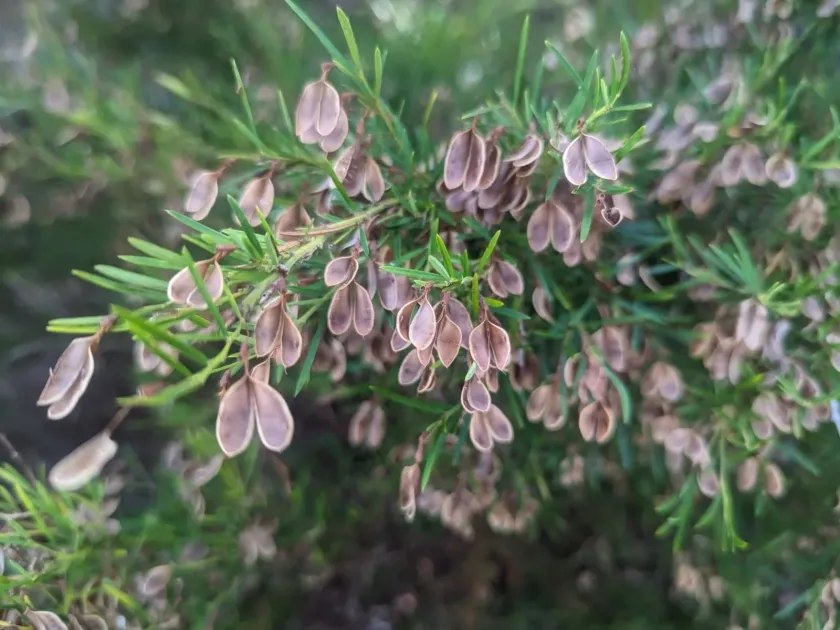
Description
Growing requirements
Bossiaea linophylla is a perennial shrub belonging to the Fabaceae family, native to the southwestern parts of Western Australia. It is characterized by its slender, elegant stems and linear foliage, which give it a distinct appearance compared to other legumes.
The cultivation of this plant requires well-drained, sandy, or loamy soil conditions. As a native of the Australian Mediterranean climate, it thrives when soil moisture is managed effectively, avoiding any risk of waterlogging, which is detrimental to its root health.
Environmental requirements include a stable, temperate climate with ample sunlight. While it can withstand moderate exposure, providing partial shade during the peak of summer can prevent excessive heat stress and maintain the vitality of the plant.
From an agricultural standpoint, propagation is typically achieved through seeds or stem cuttings. It is important to avoid high-phosphorus fertilizers, as species in the Fabaceae family adapted to Australian soils are often sensitive to excessive nutrient loads.
The primary use of Bossiaea linophylla is in horticulture and landscape architecture. It serves as an excellent ornamental specimen in rock gardens or as a focal point in borders, representing the aesthetic value of unique Australian native flora.
Main diseases and pests
The primary threats to this species are fungal root infections, such as Phytophthora, which are exacerbated by poor soil drainage. Maintaining a proper irrigation schedule and ensuring the soil remains light and airy is essential for disease prevention.
Pests such as scale insects and spider mites may occasionally infest the plant, particularly in sheltered or indoor environments. Regular monitoring and the application of horticultural oils or organic soap sprays are effective methods to manage these populations.