
Andira
Andira
Andira is a genus of trees belonging to the Fabaceae family, native to tropical regions of Central and South America. These trees are well-known for their robust growth and ability to thrive in warm, humid climates characteristic of rainforest environments.
What the section contains

Andira
For successful cultivation, the species requires deep, well-draining soils with high fertility. Consistent rainfall or controlled irrigation is essential, as the trees do not tolerate prolonged drought stress, especially during the early stages of establishment.
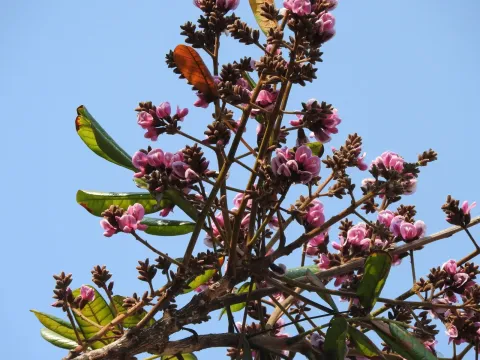
Botanically, Andira trees are characterized by pinnate leaves and dense, showy panicles of flowers that are vital for local pollinators. The trees provide significant ecological value by fixing nitrogen in the soil, which benefits the surrounding forest biodiversity.
Agricultural management of this genus focuses on sustainable timber extraction and reforestation efforts. Careful site selection is necessary to ensure the trees have sufficient space to reach their mature size without excessive competition from neighboring vegetation.
The wood of the Andira is highly valued for its extreme durability and strength. It is frequently utilized in the manufacturing of heavy-duty furniture, structural timber, and high-quality construction components due to its resistance to decay.
Common threats to Andira populations include wood-boring beetles that target the stems and branches of maturing trees. These pests can significantly degrade the quality of the timber if infestation levels become severe.
Fungal pathogens represent another significant risk, often manifesting as leaf spots or branch dieback during seasons with excessive moisture. Maintaining proper plant density and sanitation is the primary strategy for managing these biological threats in plantations.