
Hog peanut
Amphicarpaea edgeworthii
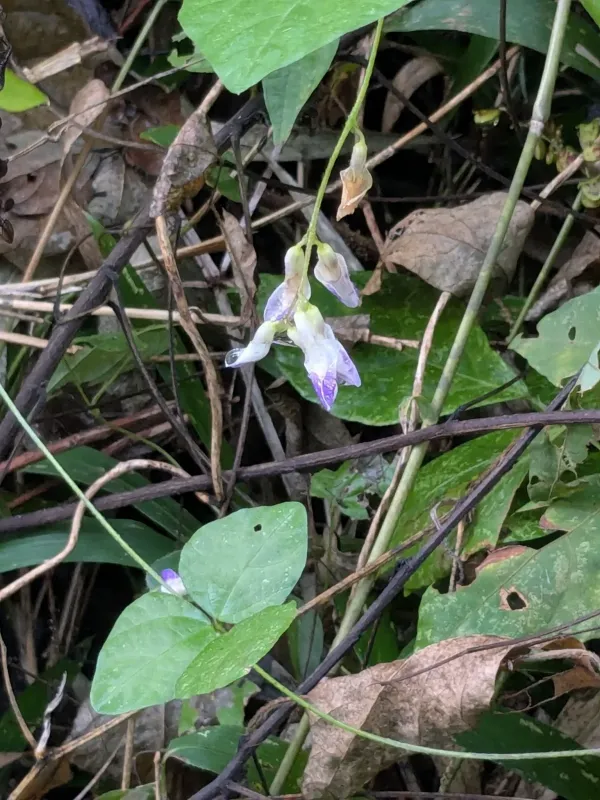
Description
Sowing dates
The hog peanut is an annual climbing herbaceous plant belonging to the legume family. Sowing should ideally occur once the danger of spring frost has passed and soil temperatures have warmed to at least 12–15 degrees Celsius.
In temperate climates, the optimal sowing period is late May, which ensures that the plants have sufficient warmth for quick germination and initial development in the open field.
Seeds are sown at a depth of 2–3 centimeters, allowing for proper establishment of the root system and supporting the growth of strong, healthy seedlings.
Given its vining nature, the hog peanut benefits significantly from the use of supports or intercropping with taller plants like corn, which act as a natural trellis for the vines.
When planting in rows, a spacing of 45–60 centimeters is recommended to facilitate proper airflow and light penetration, reducing the risk of moisture-related diseases.
Growing requirements
This crop prefers fertile, well-drained loamy or sandy soils with a neutral or slightly acidic pH balance, ensuring optimal nutrient availability for the plant's metabolic processes.
Consistent soil moisture is essential for the hog peanut, particularly during the flowering and bean development stages; irrigation systems are recommended to ensure stable yields.
While the plant thrives in sunny locations, it can tolerate partial shade, which helps maintain soil moisture levels and prevents the root zone from overheating during hot summer months.
The ideal temperature range for vigorous growth is between 20 and 28 degrees Celsius, as extreme fluctuations can stunt the development of the vines and reduce overall plant vigor.
Fertilization with phosphorus and potassium is advised to boost productivity, as these nutrients support root development and increase the efficiency of nitrogen fixation in the soil.
Yield
The yield of the hog peanut is twofold, consisting of aerial pods produced in leaf axils and underground pods derived from cleistogamous flowers located beneath the soil surface.
The total biomass produced by this plant makes it a valuable fodder resource, as it provides a dense source of plant protein suitable for livestock nutrition throughout the year.
Seed yield is significantly influenced by the level of management and the success of weed control, as invasive plants can quickly outcompete the hog peanut during the early growth stages.
Under favorable conditions, the yield is consistent, providing both high-quality forage and nutritious seeds, making it a viable crop for agricultural diversification.
Data on long-term productivity suggests that proper crop rotation and soil enrichment play a key role in maintaining high yields over multiple seasons in the same field.
Main diseases and pests
The primary threats include fungal diseases such as root rot and powdery mildew, which are more prevalent in high-humidity conditions or when planting density is too high.
Pests like clover root curculio and aphids are known to cause damage to the foliage and root systems, potentially hindering the nitrogen-fixing capabilities of the plant.
Effective pest management relies on a combination of cultural practices, including crop rotation and the removal of host plants that might harbor these pests near the fields.
Applying biological control measures, such as beneficial insects or bio-pesticides, helps maintain the health of the crop without relying on harmful synthetic chemicals.
Regular field scouting is essential to identify early signs of infestation or disease, allowing for timely intervention before the spread becomes extensive across the crop area.
Harvesting
The aerial harvest of the biomass is typically conducted during the full flowering stage to maximize the nutritional value, which is ideal for hay or silage preparation.
Harvesting the underground beans requires specialized equipment to sift through the top layer of the soil after the plant has reached its full maturity at the end of the season.
After collection, the seeds must be thoroughly dried in well-ventilated areas to reach a safe moisture content, preventing the risk of fungal growth during long-term storage.
Proper storage involves keeping the harvest in cool, dry conditions away from rodents and pests that are attracted to the high-protein content of the legumes.
Timely harvesting is crucial to minimize losses due to natural pod dehiscence, which can cause seeds to fall prematurely if the timing is not managed carefully.