
Joannesia princeps
Joannesia princeps
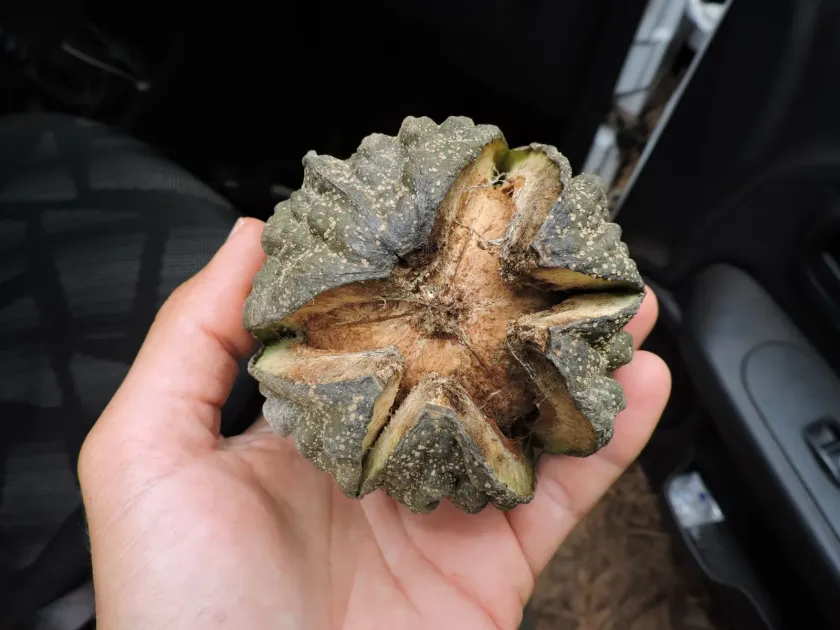
Description
Sowing dates
The propagation of Joannesia princeps is primarily achieved through seeds. While the seeds are highly viable, their tough outer coat requires preliminary scarification to accelerate germination.
Sowing should be performed in well-warmed, moist soil at the onset of the rainy season, which ensures optimal conditions for the development of the seedling root system.
Commercial nurseries typically practice container cultivation, followed by transplanting to a permanent site once the seedlings reach a height of 40-50 centimeters.
A crucial factor during sowing is maintaining sufficient distance between trees, as the crown of a mature plant requires significant space for full sun exposure.
Experts recommend using organic substrates for germination to minimize the risk of soil-borne fungal infections affecting young sprouts.
Growing requirements
Joannesia princeps belongs to the Euphorbiaceae family and is a tropical tree species requiring consistently high temperatures without significant fluctuations.
The crop prefers fertile, deep soils with excellent drainage, as waterlogging in the root zone significantly hinders plant growth and health.
Optimal growth conditions include high atmospheric humidity and protection from direct cold winds, which can damage foliage in young trees.
The tree is sensitive to soil pH, preferring neutral or slightly acidic conditions, reflecting its native environment in the Brazilian forests.
Sunlight plays a decisive role: for the development of high-quality fruit, the plant must receive adequate sunlight throughout the day.
Yield
The fruit of the Joannesia is a large capsule containing seeds rich in fatty oils, which are highly valued in the paint and pharmaceutical industries.
Crop yield is directly proportional to agricultural practices and the age of the tree, with the highest yields noted in mature, fully established specimens.
On average, one tree is capable of producing several kilograms of high-quality seeds per season, provided it receives regular fertilization and proper crown pruning.
The oil extracted from the seeds possesses unique chemical properties and competes effectively with industrial oils derived from more traditional oilseed crops.
Regular sanitary pruning and the monitoring of shoot conditions allow for maintaining high yields over many years of plantation operation.
Main diseases and pests
The primary threats to Joannesia princeps include pests specific to tropical regions, such as caterpillars and phytophagous insects that feed on young foliage.
Root rot represents a serious risk if irrigation protocols are violated, particularly in dense or heavy clay soils.
Fungal bark diseases can develop during periods of high humidity and poor air circulation within the crown, necessitating timely thinning of the canopy.
It is necessary to conduct regular inspections of trunks for wood-boring insects, which can cause critical damage to the timber and weaken the entire plant.
Disease prevention consists of maintaining garden hygiene, promptly removing damaged branches, and utilizing biological agents for insect protection.
Harvesting
Harvesting Joannesia princeps is a labor-intensive process requiring precision in identifying fruit maturity, as unripe seeds do not possess the required oil quality.
Fruits are harvested directly from the tree when the capsule shell begins to change color or dries naturally, signaling that the seeds are ready.
Post-harvest, the fruits require immediate primary processing, specifically shade-drying, to prevent the development of mold inside the capsules during storage.
Seed extraction is performed mechanically, after which the raw material is sorted into fractions based on oil content and the absence of external damage.
Stored material must be kept in dry, well-ventilated facilities to ensure the integrity of the seed lipid composition until processing occurs.