
Laciniate spurge
Euphorbia laciniata
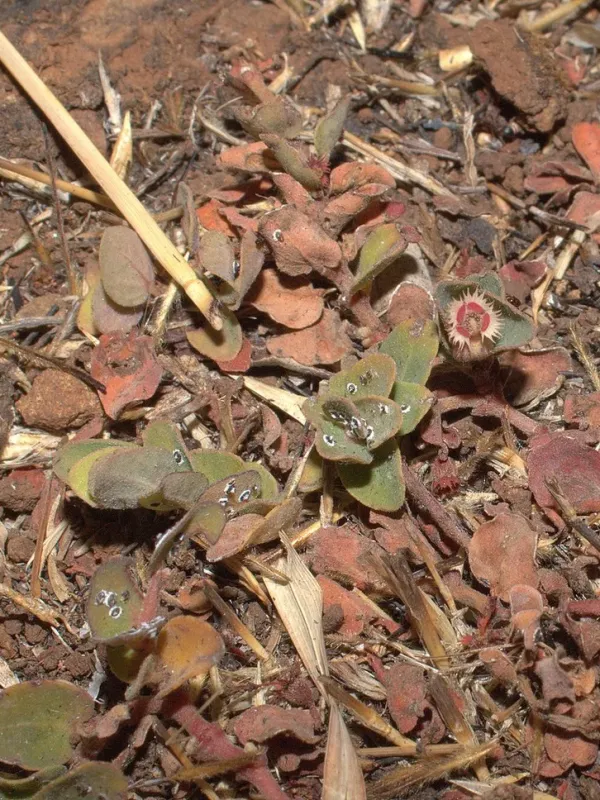
Description
Growing requirements
Laciniate spurge (Euphorbia laciniata) is a perennial herbaceous plant belonging to the Euphorbiaceae family. This species is characterized by a specific growth pattern adapted to well-drained habitats and specialized light conditions.
To ensure healthy development, this crop requires sites with high solar exposure and light, sandy-loam soils. The soil must possess excellent drainage characteristics to prevent water accumulation, which is essential for the plant's root physiology.
The plant exhibits xerophytic adaptations, allowing it to survive periods of limited rainfall. Ideal climatic conditions for growth include a moderate temperature range between 18 and 26 degrees Celsius during the main vegetation phase.
Botanically, the plant is distinguished by its unique laciniate (deeply divided) leaf margins and its systemic milky sap. This sap acts as a chemical defense against herbivores and potential pathogens in the natural ecosystem.
Agronomic management focuses on maintaining a balanced nutrient supply, particularly phosphorus and potassium, to support the plant's metabolic processes. Regular monitoring of soil moisture levels is necessary to prevent root stress and promote consistent biomass production.
Main diseases and pests
Powdery mildew represents the primary fungal threat to laciniate spurge, especially in humid and stagnant air conditions. Early detection is vital for successful treatment with appropriate fungicides to prevent rapid spread.
Spider mites are common pests that thrive in dry environments and cause significant damage by piercing leaf tissues. Regular inspection of the undersides of leaves is recommended for early intervention with acaricides.
Root rot, often caused by pathogenic fungi such as Pythium, poses a critical danger when soil drainage is insufficient. Strict control of irrigation frequency is the most effective preventative measure against this soil-borne disease.
Aphids can colonize the plant's terminal buds, causing stunted growth and leaf curling. Integrated pest management, including the use of biological control agents, is effective in reducing aphid populations on these crops.
Root-knot nematodes can cause significant damage to the root system, inhibiting nutrient uptake. Using certified disease-free propagation material and practicing systematic crop rotation are essential steps in maintaining the health of the plantation.