
Jolkini spurge
Euphorbia jolkinii
Description
Growing requirements
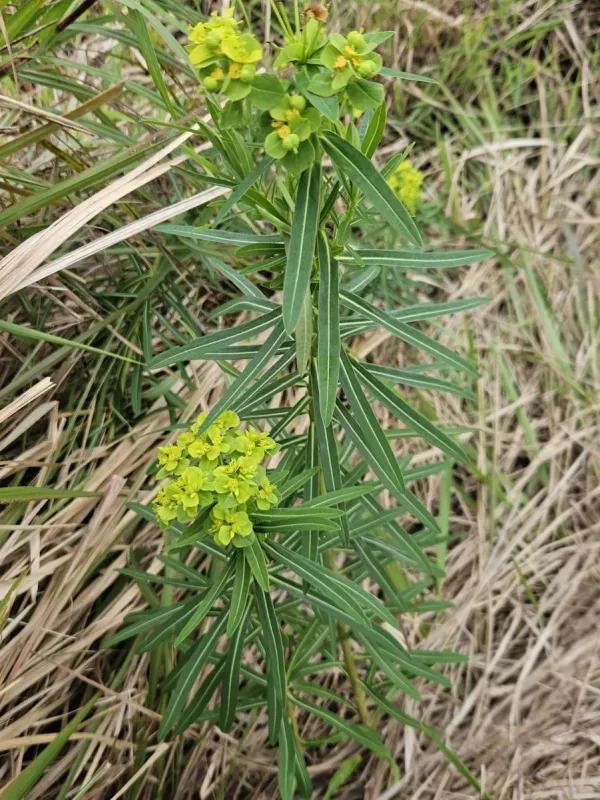
Jolkini spurge (Euphorbia jolkinii) is a perennial herbaceous plant belonging to the diverse Euphorbiaceae family. It is recognized for its milky sap, which contains complex chemical compounds, making the species an interesting subject for botanical study and potential industrial extraction.
The native distribution of this species is centered in East Asia, specifically across Korea and China. Its natural habitats typically include sunny slopes and dry meadows, reflecting a plant evolution geared toward survival in moderate climates with well-drained soil substrates.
Agronomically, the crop requires soil that mimics its natural habitat: sandy or light loamy soils with exceptional drainage. Waterlogging is the primary obstacle to successful cultivation, as the roots are prone to rapid decay if the soil structure remains too compact or saturated for extended periods.
The plant thrives in environments characterized by moderate precipitation and high solar radiation. While it exhibits tolerance to sporadic dry spells, consistent biomass development for harvest purposes depends on maintaining adequate soil moisture levels during the peak growth months of spring and early summer.
Economic potential of the species lies in its chemical composition. It has a long history in traditional medicine, and modern research continues to explore its secondary metabolites for pharmaceutical and technical applications, positioning it as a niche specialty crop for selected agricultural regions.
Main diseases and pests
Pathogen pressure is predominantly dictated by soil moisture management. Root rots and collar rots, primarily caused by fungal pathogens such as Fusarium or Pythium species, represent the most critical risk factor. Effective disease control is achieved through strict irrigation regimes and crop rotation cycles.
Insect pests include sucking insects such as aphids and spider mites, which can proliferate in hot, dry conditions. Growers typically employ scouting protocols to identify initial infestations, using targeted biological controls or appropriate pesticides to maintain plant health without compromising the quality of the raw material.