
Komarov's Spurge
Euphorbia hylonoma
Description
Growing requirements
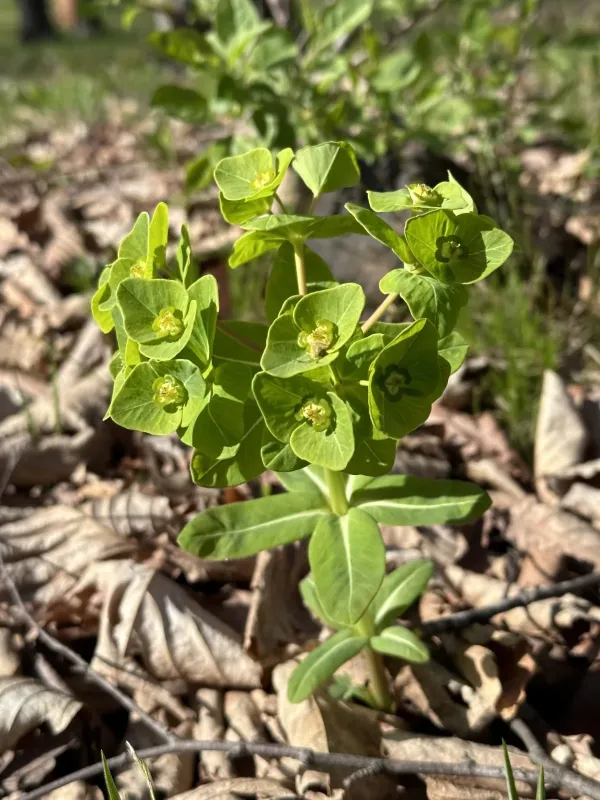
Komarov's Spurge (Euphorbia hylonoma) is a perennial herbaceous plant belonging to the Euphorbiaceae family. This species is notably recognized for its specific habitat preferences and unique morphology, serving as a distinct member of its genus within the temperate flora.
The plant features upright stems that produce a milky latex, a defining characteristic of the Euphorbia genus. Its foliage typically consists of lanceolate or elliptical leaves, which contribute to the plant's overall photosynthetic efficiency in its natural understory or slope environments.
Regarding soil requirements, the plant thrives in well-drained, fertile substrates with a slightly acidic to neutral pH. Proper soil aeration is critical, as the roots are highly susceptible to rot if water persists in the root zone for extended periods.
Climate preferences for this species include temperate conditions with moderate annual precipitation. While it displays a certain level of hardiness, successful cultivation requires protection from extreme weather events and exposure to harsh, drying winds that can dehydrate the plant tissues.
Economic and research usage of Euphorbia hylonoma focuses primarily on its potential chemical profile, as many Euphorbia species contain bioactive compounds of interest. Furthermore, it holds value in botanical collections for educational purposes and genetic conservation efforts.
Main diseases and pests
Common plant health threats include fungal infections such as powdery mildew, especially in humid conditions with poor air circulation. Implementing preventative spacing and sanitation practices is essential to mitigate the spread of these pathogens among cultivated specimens.
Pests such as aphids and spider mites are the most common herbivores affecting this species. Regular monitoring and the application of soft horticultural soaps or targeted biological control agents are recommended to maintain plant vigor throughout the growing season.