
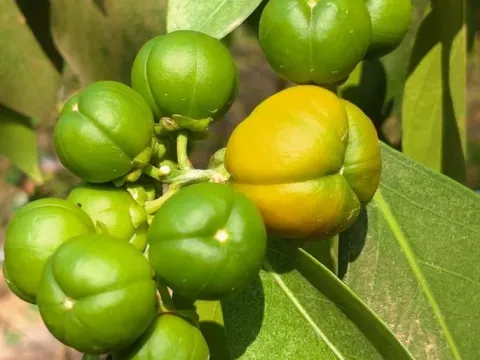
Suregada
Suregada
Suregada is a genus of evergreen trees and shrubs belonging to the diverse Euphorbiaceae family. These plants are primarily native to the tropical and subtropical regions of Africa, Asia, and Australia, where they occupy various ecological niches.
What the section contains


Suregada
The cultivation of Suregada requires a warm and humid tropical environment to reach its full potential. The plant thrives in locations where the temperature remains relatively high and stable throughout the growing season.
Soil structure is a fundamental requirement for this culture. It requires well-drained, fertile soil, as the plant is highly susceptible to root damage caused by excessive water accumulation or lack of proper soil aeration.
Botanically, Suregada is characterized by its leathery leaves and specialized flowering structures common to its family. It has developed adaptive mechanisms to thrive under varying light conditions, though it performs best in bright, dappled shade.
The economic utility of the genus is varied, ranging from the use of its sturdy timber in local construction and craftsmanship to its significance in traditional medicine, where certain plant extracts have been studied for their active compounds.
The primary threats to Suregada crops are fungal pathogens that flourish in conditions of poor ventilation and excessive moisture. Diseases such as leaf spots can significantly impact the plant's health and aesthetic value.
Common pests include scale insects and spider mites, which can cause significant damage by feeding on plant sap. These pests are particularly problematic in dense planting schemes where air circulation is limited.
Management strategies involve the integration of cultural practices and chemical interventions. Regular inspection of the foliage is essential to detect pest infestations or disease symptoms at their earliest stage.
Pruning is a crucial maintenance activity that prevents the spread of pathogens. By removing dead or crowded branches, farmers can significantly improve airflow within the canopy, reducing the overall disease pressure.
For chemical control, application of appropriate fungicides and systemic insecticides should be conducted following label instructions. Rotation of products is recommended to prevent the development of resistance in pest and disease populations.