
Suregada procera
Suregada procera
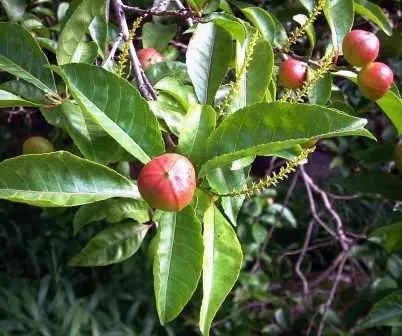
Description
Growing requirements
Suregada procera is an evergreen tree species belonging to the Euphorbiaceae family. In its natural habitat, it typically grows in the understory of tropical forests. It has evolved to thrive in environments with consistent high humidity and stable temperatures characteristic of equatorial regions.
The species prefers well-drained, fertile soils with a neutral to slightly acidic pH. In agroforestry settings, it is valued for its ability to develop successfully under partial shade, making it a suitable candidate for multi-strata forestry systems and mixed-species plantations.
Optimal conditions for growth include annual precipitation levels exceeding 1000 mm and the absence of prolonged drought cycles. As a tropical species, it is sensitive to cold temperatures, limiting its commercial cultivation to suitable tropical and subtropical zones.
Proper planting density is crucial to ensure adequate canopy ventilation and airflow. While the species is shade-tolerant, young seedlings require protection from direct, intense sunlight and harsh winds that could potentially damage tender shoots during early development.
The economic value of Suregada procera is primarily derived from its dense, high-quality wood. Furthermore, the species contributes significantly to reforestation efforts, helping to maintain soil moisture levels and supporting the overall biodiversity of local ecosystems.
Main diseases and pests
Common threats to the species include various fungal leaf diseases that thrive in stagnant, humid conditions. Regular monitoring of the foliage and proper canopy thinning are effective strategies to prevent the rapid spread of infections.
Pests such as mealybugs and scale insects may infest weakened specimens, drawing sap from young stems. Implementing integrated pest management techniques, such as promoting beneficial insects, is recommended to keep pest populations at bay.
Root damage caused by soil nematodes can occur in areas with poor drainage and compacted soil structures. Improving soil aeration and implementing drainage systems are essential measures to mitigate these risks in managed stands.
Nutrient deficiencies, particularly involving micronutrients, can compromise the tree's natural defense mechanisms against secondary bacterial pathogens. Balanced application of organic fertilizers ensures robust health and long-term vitality of the trees.
Protecting young trees from browsing mammals is an essential aspect of silvicultural management. Physical barriers or tree guards are often necessary during the establishment phase to prevent bark stripping and mechanical damage.