
African suregada
Suregada africana
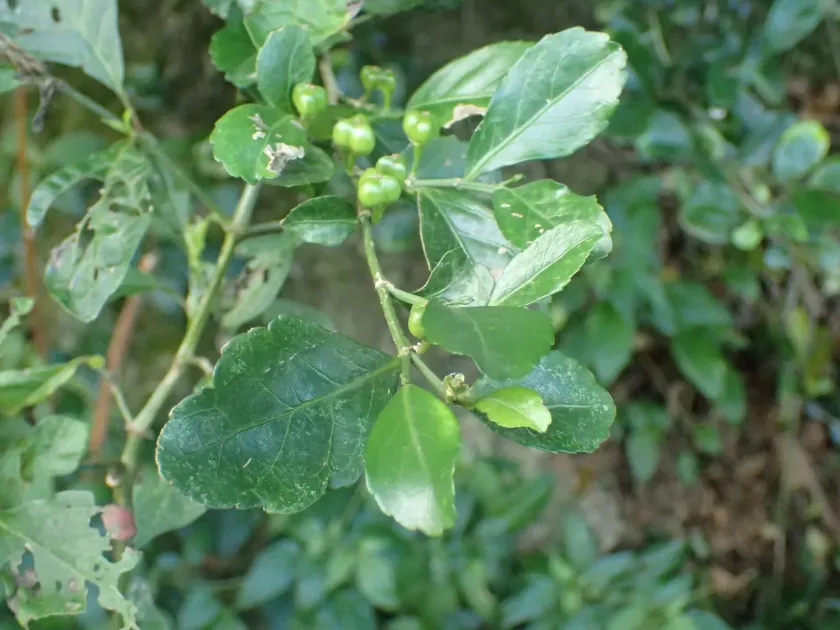
Description
Growing requirements
African suregada (Suregada africana) is a perennial woody plant species belonging to the Euphorbiaceae family. It typically grows as a small-to-medium evergreen tree or a dense shrub, characterized by its glossy, dark green foliage that remains attractive throughout the year.
The plant is native to the coastal and forest regions of Eastern and Southern Africa. It thrives in tropical climates where temperatures remain consistently high and moisture is available throughout the growing season, showing high sensitivity to frost and cold winds.
Regarding soil requirements, Suregada africana prefers deep, fertile, and well-drained loam. While it is adaptable to different pH levels, avoiding stagnant water is critical for its long-term survival, as the root system is prone to decay in waterlogged conditions.
For optimal growth, this species needs bright, diffused light. In regions where it is cultivated as an ornamental or botanical specimen, it is often placed in sheltered areas where it is protected from intense, direct midday sun, which can cause dehydration in the leaves.
The agricultural or horticultural management of this plant involves consistent irrigation, particularly during the dry periods of the year. Fertilizer application should focus on nitrogen-rich organic amendments applied in early spring to support the development of the lush canopy.
Main diseases and pests
Common threats to the health of the African suregada include root rot diseases caused by soil pathogens such as Phytophthora. Ensuring proper soil aeration and avoiding excessive watering are the primary preventative measures for maintaining tree vigor.
Insect pests, specifically sap-sucking insects like scale insects and spider mites, frequently target the undersides of the leaves. Regular inspection of the foliage and the application of neem oil or insecticidal soap are recommended to keep pest populations at bay.