
Suregada multiflora
Suregada multiflora
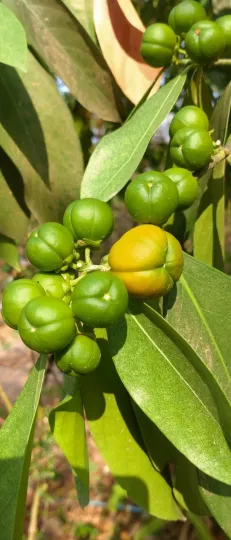
Description
Growing requirements
Suregada multiflora is an evergreen species belonging to the Euphorbiaceae family. This woody plant is characterized by its glossy foliage and structural growth, making it a distinctive specimen in tropical horticulture and botanical collections.
The native distribution of this plant includes the tropical regions of Southeast Asia. It typically thrives in humid environments, which dictates its preference for consistently warm temperatures and high relative humidity levels, essential for maintaining its health and vigor.
For optimal growth, Suregada multiflora requires bright, indirect sunlight. Exposure to intense, direct noon sun can scorch the leaves, while insufficient light conditions will lead to sparse canopy development and a significant reduction in overall plant vitality.
The soil requirements involve a well-draining, nutrient-rich substrate. A mixture that mimics the forest floor with organic content is ideal. Proper drainage is absolutely necessary to prevent root-zone saturation, which is the most common cause of failure in cultivation.
Regular maintenance includes consistent watering during the growing season while allowing for slight drying of the substrate between sessions. Humidity management is crucial in arid climates, where regular misting or mechanical humidification might be required to ensure stable development.
Main diseases and pests
The species is susceptible to common tropical plant pests, including spider mites, scale insects, and mealybugs. These pests usually colonize the undersides of leaves or leaf axils, requiring immediate intervention with horticultural oils or biological control methods to prevent spreading.
Fungal diseases related to improper watering and poor ventilation are the primary threats to the plant's health. Maintaining good airflow and avoiding water-logged soil conditions are the most effective preventive measures against root rots and fungal leaf spots.