
Thyme-leaf spurge
Euphorbia serpyllifolia
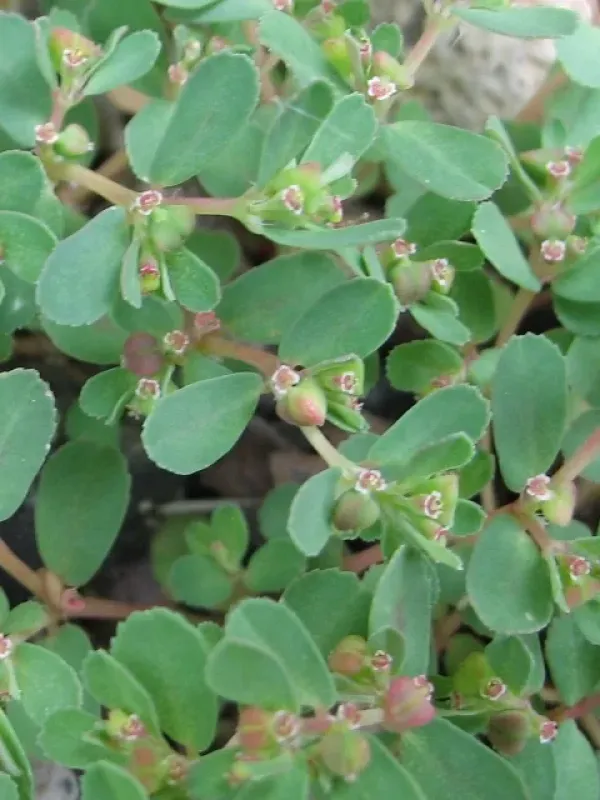
Description
Sowing dates
Thyme-leaf spurge is a summer annual weed that exhibits prolonged germination periods throughout the growing season. Primary germination occurs in mid-to-late spring as soil temperatures reach the 10-12 degrees Celsius threshold.
The seeds are capable of lying dormant in the soil profile, creating a persistent seed bank that requires multiple management interventions. Germination is often triggered by rainfall, leading to successive waves of weed emergence.
In the early stages of development, the plant grows close to the ground, often escaping notice during initial field inspections. It rapidly establishes a root system that allows it to survive in various soil conditions.
Late-season seedlings can be particularly problematic in row crops. They quickly adapt to the canopy gaps, utilizing resources that were meant for the primary agricultural crop.
Strategic cultivation prior to planting is essential for reducing initial populations. By stimulating germination early, farmers can eliminate early flushes through shallow tillage before the main crop is sown.
Growing requirements
This species belongs to the Euphorbiaceae family and is characterized by its sun-loving nature. It thrives in open agricultural fields, thriving where competition for light is reduced due to crop spacing.
It displays remarkable environmental plasticity, growing successfully in both sandy and clay-based soils. While it prefers moist conditions for germination, it possesses drought-tolerance mechanisms once established.
The plant is distinguished by its milky sap, which contains compounds that are potentially toxic to livestock. This makes it a significant concern in hay fields and pastures, where it can contaminate forage.
Originating from North America, it has spread globally as a highly adaptive weed species. It frequently colonizes disturbed soils, field edges, and areas where traditional weed management practices are insufficient.
Successful management requires strict adherence to agronomic best practices, including proper crop rotation. Maintaining vigorous crop growth is the best defense against this species, as dense canopies effectively shade out the weed.
Main diseases and pests
The primary threat posed by this weed is intense competition for nutrients and moisture. Its low-growing, spreading habit allows it to form dense mats that can smother young crop seedlings.
As a host for various phytopathogens, it can serve as a reservoir for diseases that spread to crops. Furthermore, its chemical defenses make it unpalatable and potentially harmful to grazing animals.
Control is challenging due to the plant's waxy leaf coating, which can reduce the uptake of many common contact herbicides. Proper adjuvant use is recommended to increase chemical efficacy.
Physical removal or mechanical cultivation should be timed before the plant sets seed. Because it is a prolific seed producer, failing to control it early in the season leads to exponential increases in soil seed banks.
Integrated Pest Management (IPM) is crucial. By combining mechanical, cultural, and chemical tactics, farmers can keep populations below economic injury levels throughout the vegetative and reproductive stages of the crop.