
Sclerocroton integerrimus
Sclerocroton integerrimus
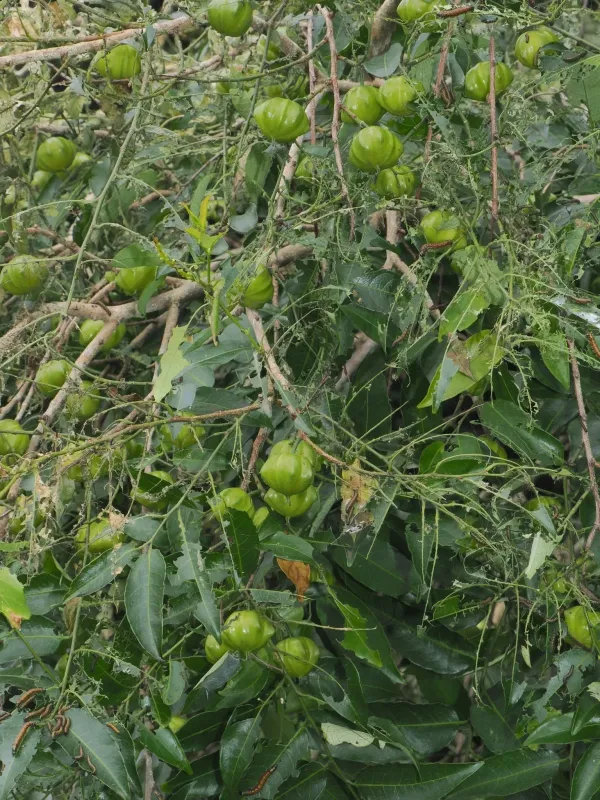
Description
Sowing dates
The propagation of Sclerocroton integerrimus is primarily achieved through seeds. In an agricultural setting, successful germination requires well-drained soil and consistently warm environmental conditions.
The optimal sowing time aligns with the start of the rainy season, as the increased soil moisture levels are crucial for activating the embryo within the seed. Seeds should be planted at a depth of 2–3 centimeters.
In commercial cultivation, maintaining an appropriate planting density is essential to ensure that each plant receives sufficient sunlight and nutrients for healthy development during the early stages of growth.
The seeds possess a tough outer coat, which sometimes requires scarification or soaking in warm water to enhance and synchronize germination rates across a plantation.
Proper seedling care is vital, as young plants are sensitive to moisture deficits. Regular weeding around the base of the plant is recommended to eliminate competition for resources during the initial growth phase.
Growing requirements
Sclerocroton integerrimus is a member of the Euphorbiaceae family, native to tropical African habitats. The plant is well-adapted to warm, humid regions where temperature fluctuations are minimal throughout the year.
The crop thrives in fertile, loamy soils that possess a neutral or slightly acidic pH. Efficient soil drainage is a critical requirement to prevent waterlogging, which can lead to rapid root decay in this species.
The plant is categorized as heliophilic, meaning it requires full exposure to sunlight for optimal physiological activity and seed yield. While saplings may tolerate partial shade, full canopy development is needed for maturity.
Ambient temperatures should remain between 20 and 30 degrees Celsius. Frost is lethal to the plant, and any exposure to near-freezing temperatures will result in significant physiological damage or death.
While the species can withstand brief dry periods, maintaining moderate humidity levels through strategic irrigation during prolonged droughts is necessary to ensure continuous growth and fruit production.
Yield
The primary economic output of this plant is its seed, which contains valuable fatty oils. Yield per individual plant is influenced by its age, health, and the intensity of light received during the ripening phase.
Productivity increases significantly as the tree matures. Standard agricultural practices, including the application of organic fertilizers and timely weed management, contribute to higher seed outputs per hectare.
The oil content of the seeds remains relatively consistent, although environmental stressors during the flowering period can influence overall crop volume. Current cultivation relies on traditional methods with room for improvement through selective breeding.
The harvest period may be extended because fruits do not ripen simultaneously. Monitoring the plantation and performing multiple passes during the harvesting phase is often necessary to maximize recovery.
Proper balance between soil fertility and moisture management is the key factor in achieving high-quality yields. Ensuring optimal tree spacing also prevents overcrowding, which can otherwise diminish fruit production.
Main diseases and pests
The crop is susceptible to various hemipteran pests, particularly those that feed on the sap of young shoots. These infestations can weaken the plant and serve as entry points for secondary pathogens.
Fungal diseases, including leaf spot and powdery mildew, represent a constant threat, especially in areas with poor air circulation or persistently high humidity. Proactive disease management is required.
Root rot caused by stagnant water or pathogenic fungi is a common threat in poorly managed soils. Maintaining soil aeration and adhering to strict watering schedules are the best preventative measures.
Leaf-eating caterpillars can cause significant defoliation if left unchecked. Integrated pest management, which combines physical removal and biological control, is highly effective for this crop.
Maintaining a clear distance between individual plants and implementing proper crop rotation strategies helps in minimizing the spread of specific pests and diseases within the plantation environment.
Harvesting
Harvesting should be conducted during dry weather to prevent moisture-related damage to the seeds. The fruits are collected once they exhibit a characteristic color change, signaling maturity.
Once harvested, the capsules should be spread out in thin layers in a shaded, well-ventilated area to dry. Proper drying is essential to reduce the seed moisture content to safe levels for storage.
Mechanical threshing is typically employed to separate the seeds from their husks once they are sufficiently dry. Ensuring the cleanliness of the final seed product is vital for its market value.
Seeds must be stored in cool, dry conditions with adequate airflow. Using breathable storage bags is recommended to prevent mold growth and maintain the chemical stability of the extracted oils.
During storage and transport, it is important to keep the seeds away from strong-smelling substances, as they are prone to absorbing odors that can negatively impact the final oil quality.