
Sapium laurocerasus
Sapium laurocerasus
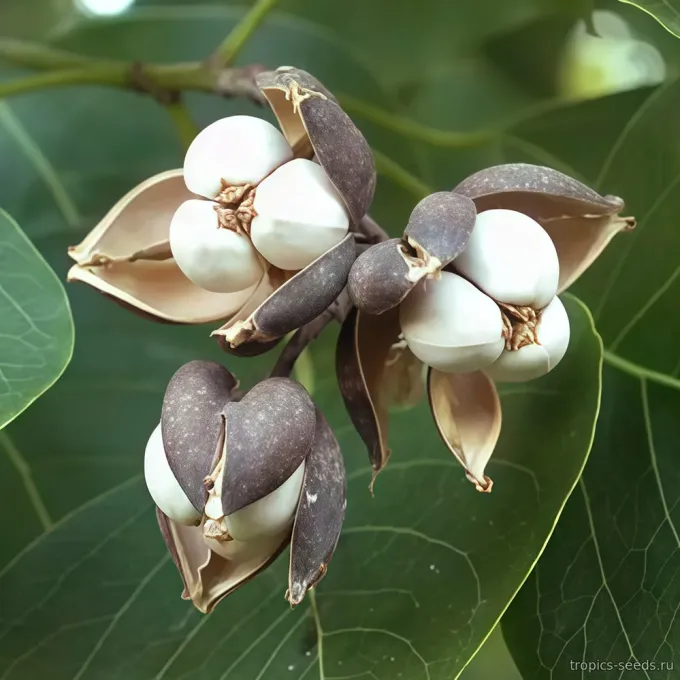
Description
Growing requirements
Sapium laurocerasus is an evergreen tree species belonging to the Euphorbiaceae family. It is characterized by its dense, glossy foliage and robust growth habit, making it an interesting subject for botanical research and specialized agricultural cultivation.
The species is native to warm climate regions where it thrives under high humidity and stable annual temperatures. It requires a significant amount of light to maintain its characteristic leaf density and overall plant vigor throughout the active growing season.
Regarding soil requirements, the plant prefers well-draining loamy soils with high organic matter content. It is essential to ensure that the site provides adequate aeration for the root system, as this species is sensitive to waterlogged conditions that lead to root distress.
Cultural management practices involve regular irrigation scheduling and a balanced fertilization program. Pruning is often necessary not only for aesthetic purposes but also to remove dead or diseased branches, ensuring that the canopy remains healthy and well-ventilated.
In a landscape and agricultural context, Sapium laurocerasus is utilized primarily for ornamental purposes and climate-appropriate reforestation. Its distinct botanical structure and hardiness contribute to its value as a resilient green resource in subtropical environments.
Main diseases and pests
Common pathological threats include fungal infections affecting the foliage and bark, typically triggered by prolonged humidity and poor air circulation. Proper sanitation and spacing are the first lines of defense against these plant diseases.
Pest management focuses on controlling sap-sucking insects such as scale insects and spider mites. Regular scouting and the application of targeted horticultural oils or insecticides are recommended to maintain plant health and prevent severe infestations.