
Sclerocroton cornutus
Sclerocroton cornutus
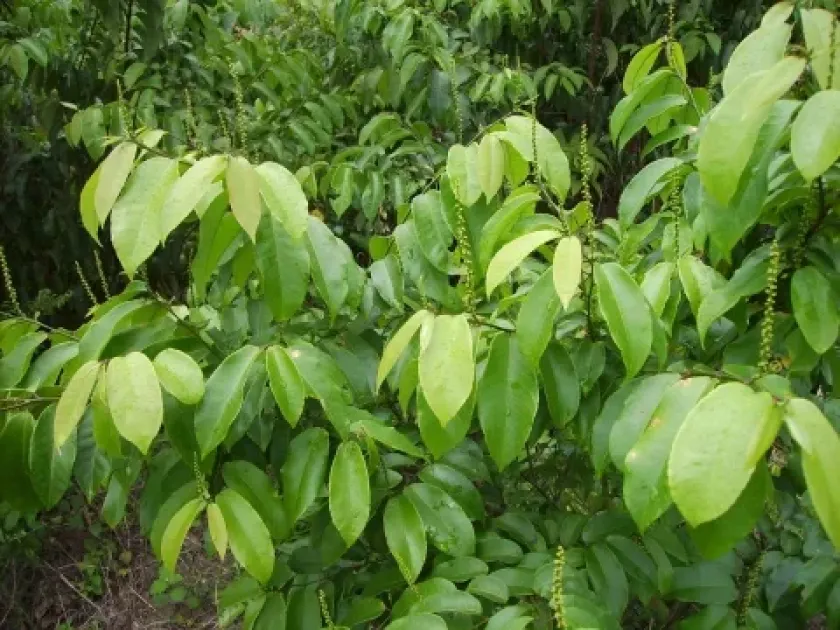
Description
Growing requirements
Sclerocroton cornutus belongs to the Euphorbiaceae family and is a perennial woody plant primarily native to tropical Africa. It is known for its distinct morphological traits that allow it to thrive in specific ecological niches.
The plant requires well-drained soil rich in organic matter to reach its full development. As a tropical species, it thrives under consistent temperatures, typically ranging from 22 to 30 degrees Celsius, and requires ample exposure to sunlight.
Botanically, the species is identified by its persistent foliage and unique, horned-shaped fruit structures. These features are characteristic of the genus Sclerocroton and are adapted to the competitive environment of the African tropical forest edges.
Agricultural practices for this crop focus on maintaining moisture levels without creating waterlogged conditions. While the plant is somewhat drought-tolerant once established, young seedlings require regular irrigation to ensure a healthy root system.
In terms of usage, the crop is valued in traditional systems for its biological properties. Ongoing research aims to categorize the chemical profile of the plant to better understand its potential in modern pharmaceutical applications.
Main diseases and pests
Fungal pathogens represent the most significant threat to the crop, especially in areas with high relative humidity. Ensuring adequate spacing between plants is crucial to maintain airflow and reduce disease outbreaks.
Pests such as mites and scale insects are common intruders that target the foliage and young branches. Integrated pest management strategies are recommended to manage these populations effectively and sustainably.
Root rot is a persistent risk if soil drainage is inadequate. Monitoring the soil moisture levels and ensuring that the drainage system is functioning are fundamental tasks for any agronomic management plan.
Biological control agents are highly effective for this plant, as they maintain the ecological balance within the plantation. Chemical interventions should be used sparingly and only as a last resort to preserve beneficial insect populations.
Early detection through weekly scouting helps in managing localized infestations before they spread across the entire crop area. Keeping the field free of debris also helps in preventing the buildup of harmful pathogens.