
Pachystroma longifolium
Pachystroma longifolium
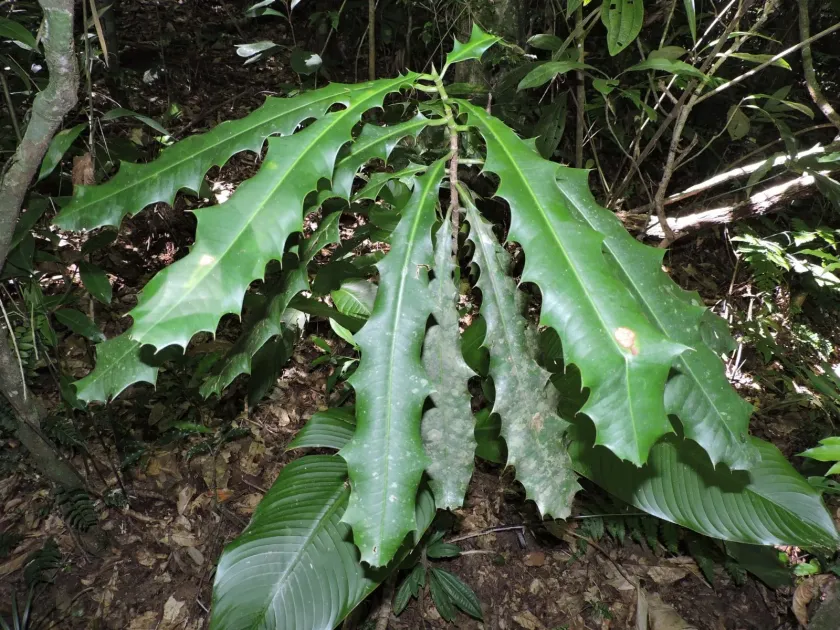
Description
Growing requirements
Pachystroma longifolium is a woody plant species that belongs to the Euphorbiaceae family. It is recognized for its specific morphological features, typical of tropical evergreen trees, which are highly specialized for growth in specific forest habitats.
Originating from South America, particularly within the Brazilian rainforests, this species occupies a niche defined by high humidity and consistent tropical temperatures throughout the year. Its distribution is limited to ecosystems that provide such stable conditions.
The plant requires well-drained, nutrient-rich soils to thrive. Like many species within the Euphorbiaceae family, it is sensitive to waterlogging, which can compromise root development and lead to physiological stress in the plant.
Environmental requirements for this species are strictly tropical. It cannot tolerate cold climates, as frost damage is fatal to its growth tissues, making outdoor cultivation in temperate regions impossible without controlled environments.
Agricultural use of Pachystroma longifolium remains localized and limited. The wood and plant extracts are occasionally used in traditional practices, although it is not yet established as a major industrial crop in global agriculture.
Main diseases and pests
The primary threats to this species include various wood-boring insects and foliage-feeding pests common to the tropical environments of South America.
Fungal pathogens represent a significant risk, especially during rainy seasons when leaf spots and root infections can spread rapidly due to high humidity levels.
Cultural practices should focus on maintaining adequate spacing to ensure good air circulation, which is critical in preventing the buildup of fungal spores within the canopy.
Because there is no extensive commercial breeding program, the species lacks widespread resistance to common agricultural pathogens, necessitating careful observation.
Management of these threats in a potential cultivation scenario would require strict adherence to environmental controls and integrated pest management strategies.