
Northern Spurge
Euphorbia septentrionalis
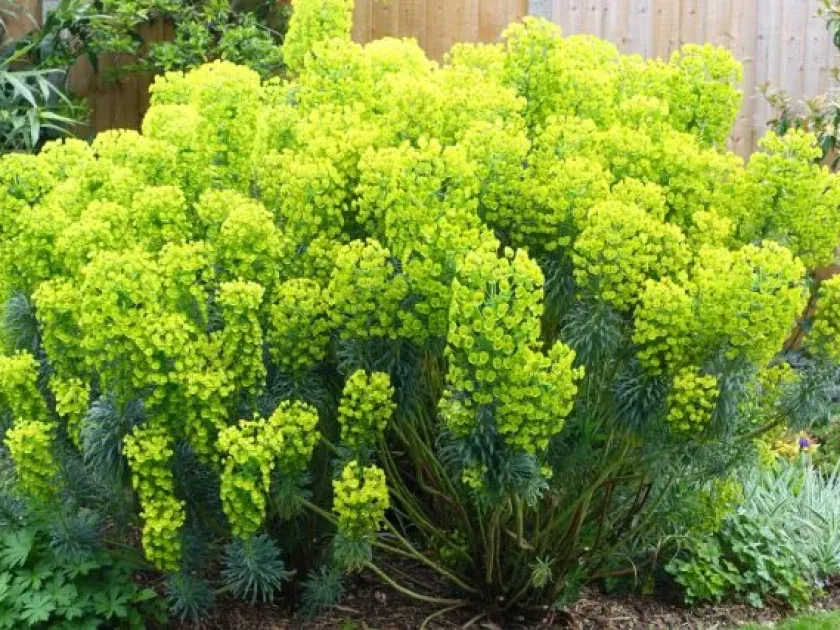
Description
Growing requirements
Northern Spurge (Euphorbia septentrionalis) is a perennial herbaceous plant belonging to the Euphorbiaceae family. It is recognized for its adaptation to northern latitudes, exhibiting high resilience to cold stress and variable environmental conditions.
The plant possesses a robust root system, which allows it to thrive in nutrient-poor soils. It prefers well-drained soil textures, avoiding waterlogged environments that can trigger root decay and other physiological disorders.
Climate requirements for this species are relatively broad, though it performs best in regions with sufficient light intensity throughout the growing season. Full sun exposure is essential for optimizing the plant's metabolic processes.
Agronomic management of Euphorbia septentrionalis focuses on maintaining soil aeration and preventing weed competition during the early stages of establishment. Once matured, the crop becomes highly competitive against surrounding vegetation.
Sustainable cultivation practices include rational fertilizer application, specifically avoiding excess nitrogen to prevent succulent, disease-prone growth. Regular monitoring of crop vigor is recommended throughout the vegetation cycle.
Main diseases and pests
The primary pathogenic threats to Northern Spurge include fungal pathogens such as rust and leaf spot diseases, which typically emerge under high humidity conditions and low ventilation.
Pests such as aphids and spider mites can colonize the foliage during hot, dry spells. Effective management involves both biological control agents and localized chemical treatments when infestation thresholds are exceeded.
Root-rot pathogens represent a significant risk if the soil structure becomes compacted. Improving drainage systems and implementing strict irrigation protocols are the best preventive measures.
Crop rotation serves as a critical tool in managing soil-borne diseases. Avoiding monoculture cycles helps maintain soil health and reduces the pressure from specialized pest populations.
Regular field inspections allow for the early detection of localized outbreaks, enabling targeted intervention before the spread of infections across the production site.