
Oblong-leaved spurge
Euphorbia oblongata
Description
Growing requirements
Euphorbia oblongata, commonly known as the oblong-leaved spurge, is a perennial herbaceous plant belonging to the Euphorbiaceae family. Native to the Mediterranean region, it has adapted to warm, sunny environments and is widely used in landscape design for its unique architectural form.
The cultivation of this species requires sites with full sun exposure or partial shade. It is particularly valued for its resilience to dry conditions once established, making it suitable for low-maintenance garden borders and xeriscaping projects where water economy is prioritized.
Soil requirements focus on excellent drainage; Euphorbia oblongata thrives in sandy or loamy soils with a neutral or slightly alkaline pH. It is crucial to ensure that the site is not prone to waterlogging, as stagnant water is the primary cause of root failure in this genus.
Regarding agricultural practices, the plant benefits from minimal intervention. An annual application of balanced fertilizer in early spring encourages vigorous growth and helps maintain the vibrant yellow-green color of its characteristic bracts during the flowering season.
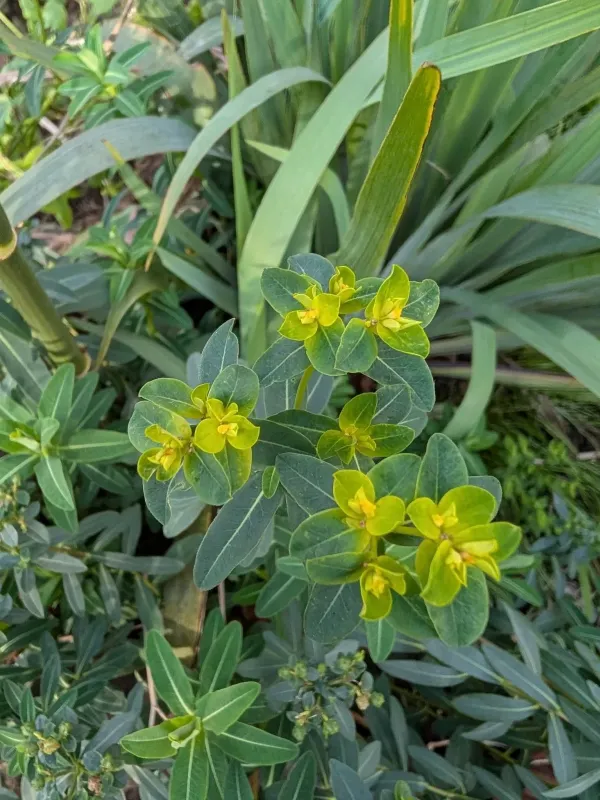
Botanically, the plant features erect, branched stems covered in elongated, smooth leaves. Its inflorescences consist of small flowers surrounded by prominent yellow-green bracts, which are technically modified leaves designed to attract pollinators throughout the summer months.
Main diseases and pests
The primary threats to Euphorbia oblongata include root and crown rot, which occur predominantly in damp, poorly drained soils. Preventing these issues requires ensuring the soil structure is porous and avoiding excessive irrigation during dormant periods.
Pests are generally deterred by the plant's toxic milky sap, which acts as a natural chemical defense. However, aphids can occasionally infest tender new growth, necessitating manual removal or the application of insecticidal soap if the population becomes significant.
Gardeners must exercise caution when pruning or handling the plant, as the white latex sap is a skin irritant and can cause inflammation or allergic reactions. Protective clothing and gloves should always be worn to prevent contact with the eyes and skin.
To reduce the risk of powdery mildew, it is essential to maintain proper spacing between individual plants to ensure adequate air circulation. Removing debris from around the base of the plant during late winter helps prevent the overwintering of pathogens.
In cases of severe infestation or disease, affected parts should be removed promptly to prevent spread. Maintenance of healthy, well-ventilated conditions is the most effective strategy for ensuring the long-term vitality of these ornamental plantings.