
Myrtle spurge
Euphorbia myrsinites
Description
Sowing dates
Sowing Myrtle Spurge seeds is best done in late autumn, allowing the cold winter temperatures to provide the natural stratification required for successful germination.
If you choose to sow in spring, seeds should be pre-chilled in a refrigerator for at least two months to mimic the winter period and break seed dormancy.
Division of mature clumps is an effective propagation method performed in early spring or autumn, ensuring that each segment has healthy root development.
When planting, maintain a spacing of approximately 30–40 cm to allow for the horizontal growth habit of the stems, which spread in a trailing pattern.
Seedlings raised indoors should be gradually acclimatized to outdoor conditions over a week before being transplanted into their final sunny garden location.
Growing requirements
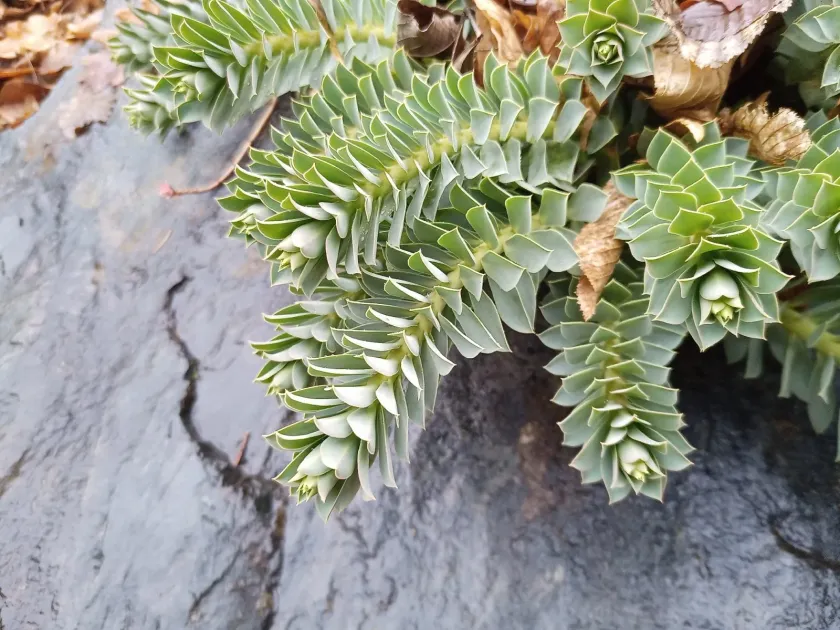
Myrtle Spurge (Euphorbia myrsinites) is a member of the Euphorbiaceae family, recognized for its striking blue-green foliage and trailing, succulent stems.
This species thrives in full sun exposure; while it can tolerate partial shade, it performs best and maintains its unique color intensity in direct sunlight.
The soil must be exceptionally well-drained, as the plant is highly susceptible to root rot if placed in heavy, waterlogged, or clay-based substrates.
It is exceptionally drought-tolerant once established, making it an ideal candidate for rock gardens, slopes, and xeriscaping projects in arid or Mediterranean climates.
The plant demonstrates good cold hardiness, adapting well to winter temperatures while requiring a dry environment to prevent winter damage from frost heaving.
Main diseases and pests
Fungal diseases related to moisture, such as root and crown rot, are the primary threats to the health and longevity of Myrtle Spurge in garden settings.
Aphids are the most common insect pests that target the terminal growth and floral parts of the plant, often requiring targeted insecticidal soap treatments.
Powdery mildew can occur during periods of high humidity and poor air circulation, necessitating improved spacing or fungicide application in severe cases.
As a member of the Euphorbia genus, the plant produces a toxic, milky latex sap that can cause severe skin and eye irritation upon physical contact.
Gardeners should wear protective gloves and long sleeves during any pruning or maintenance activities to avoid accidental exposure to the irritating plant fluids.