
Neoshirakia japonica
Neoshirakia japonica
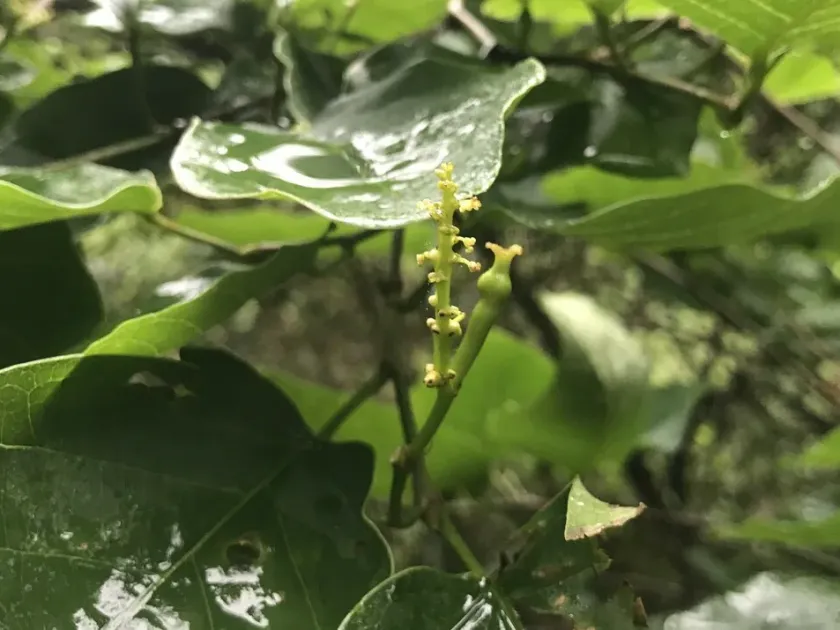
Description
Growing requirements
Neoshirakia japonica is a deciduous shrub that belongs to the Euphorbiaceae family. It is recognized for its preference for humid environments, frequently naturally occurring along riverbanks and in damp, low-lying areas across its native range in East Asia.
The plant is native to regions including Japan, China, and Korea. In its natural habitat, it thrives under temperate to subtropical conditions, requiring mild winters and a consistent moisture supply to maintain its vigorous growth rate throughout the vegetation period.
From a botanical standpoint, this species is noted for its distinctive foliage that turns a brilliant red during the autumn months. It develops a dense, rounded structure, making it highly valued in professional landscaping for its seasonal interest and screening capabilities.
When cultivating Neoshirakia japonica, soil requirements must be prioritized. It prefers rich, loamy, and consistently moist soils. Because it is sensitive to prolonged drought, irrigation management is essential in regions with low seasonal rainfall.
Economically, the plant is primarily cultivated for its aesthetic qualities. However, some studies explore its potential in bio-industrial applications, specifically concerning the oil content of its seeds, which shows promise for renewable material production.
Main diseases and pests
Common health threats to Neoshirakia japonica include fungal diseases such as leaf spots and root rots. These issues are typically triggered by poor air circulation and excessive humidity levels, which encourage the spread of pathogenic spores within the shrub's canopy.
Pests such as aphids and spider mites are frequent invaders of this species. These pests target succulent new growth and leaves, which can lead to leaf curling, stunted development, and a significant decrease in the shrub's overall visual appeal.
Management of these threats starts with preventive measures, such as proper spacing during planting to ensure good airflow. Regular pruning to remove dead or diseased branches is also vital to keep the plant healthy and to stop the spread of infection.
Integrated pest management strategies are recommended, focusing on early detection and the use of targeted treatments. When applying chemical controls, it is important to minimize impact on the surrounding environment, especially in wet areas where run-off could be a concern.
Finally, soil drainage is a critical factor in preventing subterranean threats. Ensuring that water does not stagnate around the root zone is the most effective way to prevent anaerobic conditions that lead to severe root damage in the Euphorbiaceae family.