
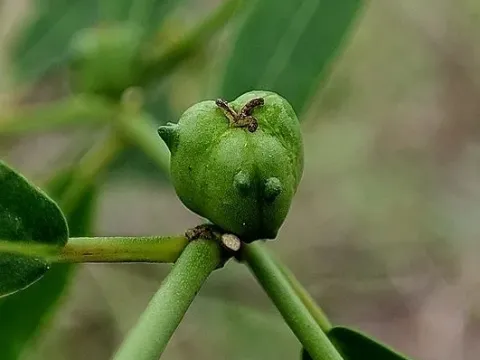
Microstachys
Microstachys
Microstachys is a genus of plants belonging to the Euphorbiaceae family, known for its diverse species and adaptation to warm environments. In agricultural practice, understanding the specific environmental needs of this genus is essential for successful cultivation.
What the section contains


Microstachys
The plant thrives in tropical and subtropical climates, requiring constant warmth and significant exposure to sunlight. Temperatures must remain within an optimal range to avoid stress, which can lead to stunted growth or reduced biomass production.
Soil quality is a fundamental requirement for Microstachys. It prefers well-drained, fertile soils with a balanced nutrient profile. Soils that tend to become waterlogged are generally unsuitable, as they significantly increase the risk of root diseases typical of this family.
Water management is critical during the active growing season. While the plant can tolerate short periods of moisture deficiency, consistent irrigation is necessary to ensure optimal photosynthetic activity and sustained development throughout the life cycle.
Fertilization regimes should be customized based on soil testing and the specific developmental stage of the crop. Providing a balanced ratio of essential macronutrients promotes healthy stem development and enhances the plant's overall vigor.
Pathogen management is a core component of Microstachys agronomy. Fungal diseases, particularly those affecting the foliage, can spread rapidly if humidity levels within the crop canopy are too high, necessitating careful monitoring.
Insect pests, such as spider mites, present a persistent threat to commercial crops. These pests often colonize the underside of leaves, causing significant damage that may weaken the plant and serve as an entry point for secondary bacterial infections.
Cultural practices, such as maintaining appropriate plant spacing, are vital for disease prevention. Improving airflow reduces the microclimate conditions that favor fungal growth, thereby reducing the dependency on heavy chemical applications.
Integrated Pest Management (IPM) techniques should be prioritized over blanket chemical spraying. This includes the use of biological control agents where appropriate and the selection of systemic pesticides only when necessary to curb outbreaks.
Strict field hygiene, including the removal of crop debris post-harvest, is essential to minimize the inoculum load for the subsequent season. Proactive field monitoring allows for timely intervention, protecting the overall yield potential of the crop.