
Millot's Spurge
Euphorbia millotii
Description
Growing requirements
Millot's Spurge (Euphorbia millotii) is a distinctive succulent species belonging to the Euphorbiaceae family. Native to the western regions of Madagascar, it is highly valued by botanists for its unique structural characteristics and rarity in cultivation.
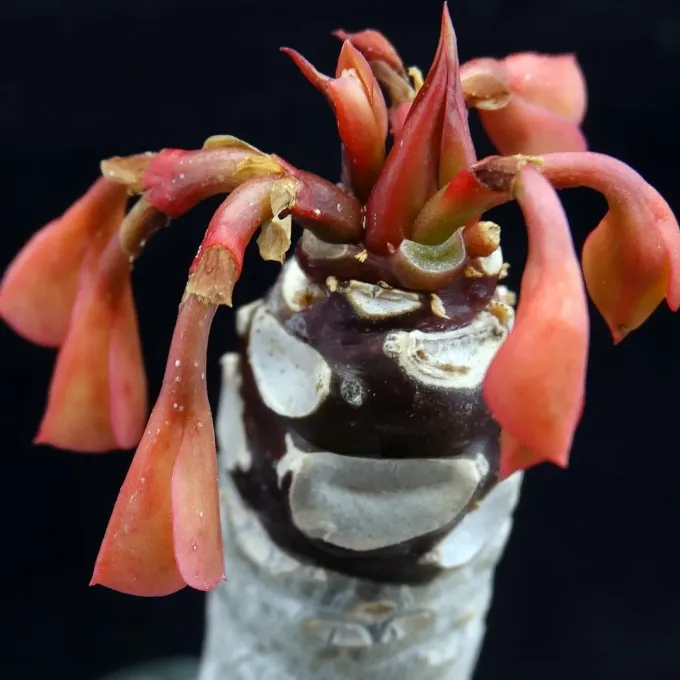
The plant features succulent, ribbed stems adorned with sharp thorns, which serve as an effective defense mechanism in its native arid habitat. It typically exhibits a branching growth pattern, creating a compact and architectural appearance that is highly sought after by collectors.
To thrive, this crop requires intense sunlight and a warm environment. It is essential to place the plant in a location where it can receive several hours of direct light daily, as insufficient light will result in etiolation and a weakened physical structure.
Soil composition must prioritize drainage. A substrate consisting of high-quality cactus mix amended with gravel or coarse volcanic rock is ideal. Proper drainage prevents the roots from sitting in stagnant water, which is the primary cause of failure in this species.
While primarily an ornamental plant, Euphorbia millotii is often used in specialized interior landscaping and conservatory displays. It does not have agricultural applications like standard food crops but remains a subject of study in desert flora research.
Main diseases and pests
Root rot and stem rot are the most critical threats to the health of Euphorbia millotii. These pathologies are almost exclusively triggered by incorrect watering schedules, particularly when the substrate remains saturated during the plant's dormant phase.
Pest management should focus on monitoring for mealybugs and spider mites. These pests thrive in dry conditions and can quickly colonize the deep crevices between the ribs and thorns of the plant, making them challenging to remove without specialized treatment.
It is crucial to maintain strict hygiene in the cultivation environment. Disinfecting containers and tools after use is a standard practice to prevent the cross-contamination of pathogenic fungi and bacteria that may harm the succulent tissue.
When infestation occurs, the use of contact and systemic insecticides is recommended. Care must be taken to apply treatments evenly, ensuring full coverage of the stems while avoiding excessive moisture accumulation in the soil post-application.
Handling the plant requires caution due to the milky white latex sap present in its tissues. This sap is toxic and acts as a skin and eye irritant, so protective gear is necessary during any pruning or repotting activities to ensure the safety of the grower.