
Neoboutonia macrocalyx
Neoboutonia macrocalyx
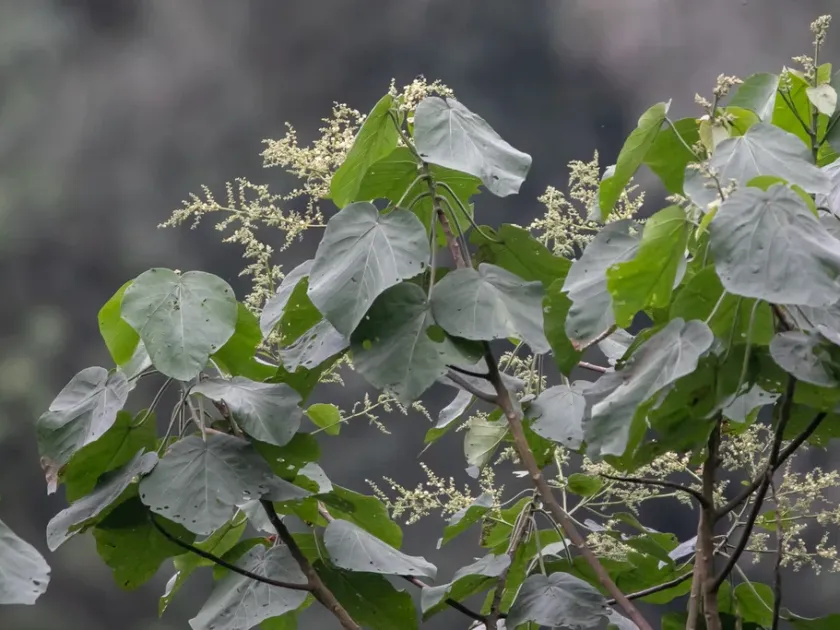
Description
Growing requirements
Neoboutonia macrocalyx is a fast-growing, evergreen tree belonging to the Euphorbiaceae family, native to the tropical rainforests of the African continent.
This species thrives in warm, humid conditions and requires fertile, well-drained soil types to maximize its growth potential in plantation settings.
Sunlight exposure is crucial for the development of this tree, as it is primarily a pioneer species that excels in open forest gaps and secondary forest areas.
Consistent rainfall is essential, although the tree shows a certain degree of adaptability to seasonal variations if the soil water-holding capacity is sufficient.
Cultivation practices must focus on mimicking natural forest conditions, ensuring that young trees are not choked by aggressive weeds during the establishment phase.
Yield
The primary economic output of Neoboutonia macrocalyx is its lightweight wood, which is utilized for various carpentry applications, including joinery and crate making.
In addition to timber, the tree is highly valued in agroforestry for its ability to restore soil health through its rapidly decaying, nutrient-rich leaf litter.
Local communities often utilize bark extracts and other plant parts for traditional medicinal preparations, highlighting the plant's diverse biochemical potential.
The fast growth rate makes it an excellent candidate for carbon sequestration initiatives and reforestation projects in degraded tropical ecosystems.
When integrated into farm landscapes, the tree serves as a beneficial shade provider and a natural windbreak for more sensitive shade-loving crops.
Main diseases and pests
Fungal infections remain the most significant threat to the health of these trees, particularly in environments with stagnant air or excessive soil moisture.
Defoliating insects can occasionally cause substantial damage to young saplings, often requiring manual monitoring to prevent large-scale infestation.
Root system issues, such as decay caused by waterlogging, can lead to stunted growth or total loss of the tree, emphasizing the need for proper site drainage.
Competition from aggressive climbers and vines in the early stages of cultivation can significantly impede growth and should be managed regularly.
Maintaining a healthy forest edge and ensuring adequate spacing between individual trees helps reduce the risk of pathogen spread within a plantation area.