
Staggerbush
Lyonia mariana
Description
Growing requirements
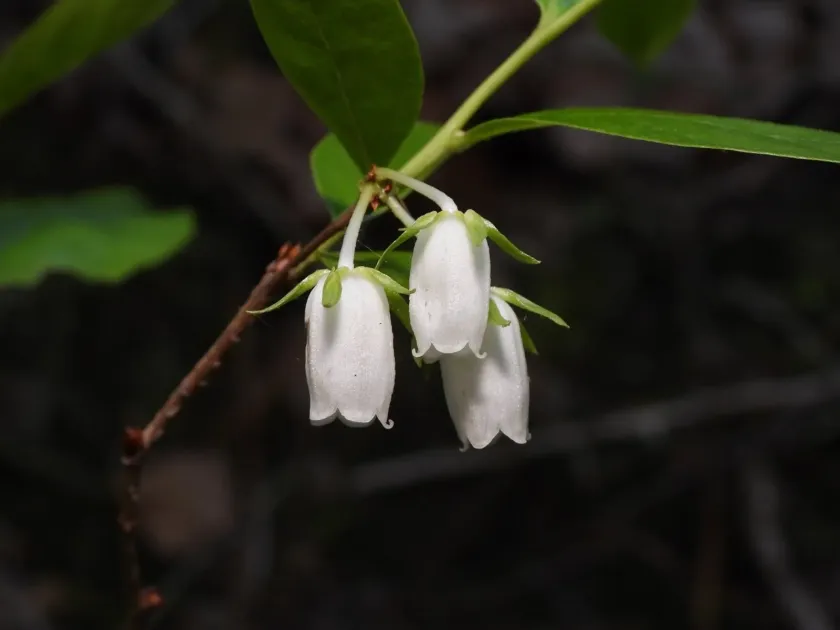
Lyonia mariana, commonly known as Staggerbush, is a deciduous shrub belonging to the Ericaceae family. It is recognized for its elegant arching branches and bell-shaped flowers that bloom in late spring.
The plant originates from the Eastern United States, where it typically thrives in moist, sandy pine barrens, wetlands, and open woodland areas, indicating a preference for specific ecological niches.
Successful cultivation requires highly acidic, well-draining soil. Gardeners should incorporate organic matter such as peat moss or pine bark to replicate the natural forest floor environment necessary for healthy root development.
This shrub prefers partial shade environments. While it can tolerate some sun, excessive heat and full exposure often lead to leaf scorch and premature wilting during mid-summer, reducing the overall vitality.
In terms of climate, Staggerbush requires consistent moisture throughout the growing season. Mulching is critical to keeping the root zone cool, preventing moisture loss, and suppressing competing weed growth.
Main diseases and pests
The primary threats include fungal leaf spot diseases which typically occur during periods of high humidity and poor air circulation. Providing adequate spacing between plants is an essential preventative measure.
Spider mites are the most persistent pest for this species. They thrive in dry conditions and can cause significant foliage damage if not controlled by timely irrigation and horticultural oil applications.
Iron deficiency, commonly manifesting as interveinal chlorosis, is a frequent issue if the soil pH rises above the optimal range for Ericaceae plants, leading to weakened growth and reduced flowering.
Winter desiccation can occur if the plant is exposed to harsh, drying winds without adequate protection. A layer of organic mulch helps protect the roots from extreme temperature fluctuations.
Regular sanitation, which involves the removal of dead or diseased wood during the dormant season, significantly reduces the likelihood of future pest and pathogen outbreaks within the shrub colony.