
Maleberry
Lyonia ligustrina
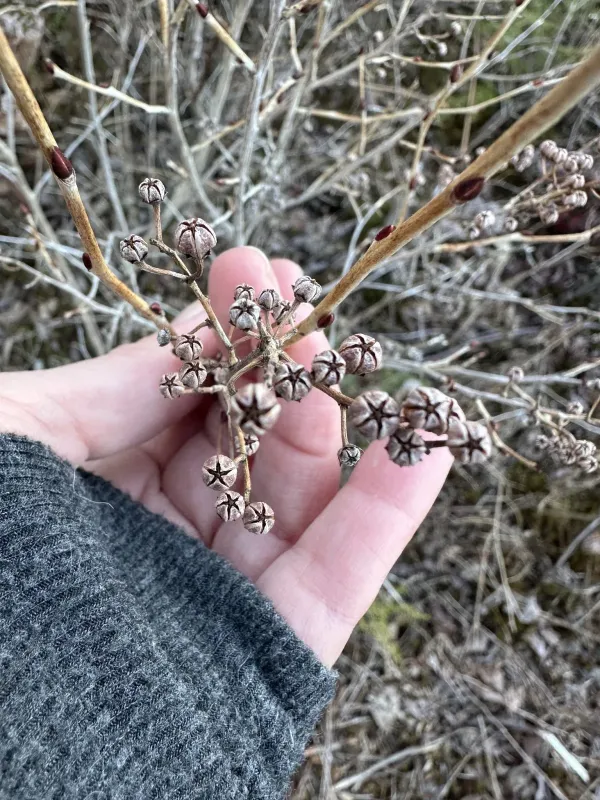
Description
Growing requirements
Maleberry (Lyonia ligustrina) is a deciduous shrub that belongs to the Ericaceae family. Native to the eastern United States, it thrives in moist, acidic habitats such as swamps, thickets, and woodland borders.
Success in cultivating this species depends heavily on soil chemistry. Like many Ericaceous plants, it requires highly acidic soil with a pH typically between 4.5 and 5.5. In alkaline conditions, the plant will struggle to uptake iron, leading to severe chlorosis.
Regarding moisture requirements, Lyonia ligustrina prefers consistent soil moisture but requires excellent drainage. While it is adaptable to wetland conditions, it will not survive in stagnant, anaerobic mud; it needs a breathable, organic-rich growing medium.
In terms of climate, the shrub is generally hardy and tolerant of a range of temperate conditions. However, in colder regions, it is recommended to apply a thick layer of organic mulch around the root zone to stabilize soil temperature and retain moisture throughout the season.
The plant is highly valued for ornamental purposes, particularly in native gardens or naturalistic landscaping. Its clusters of small, white, bell-shaped flowers in early summer and vibrant autumnal foliage provide year-round interest for garden designers.
Main diseases and pests
This species is remarkably resilient under the right conditions, but it is susceptible to root rots if planted in heavy, waterlogged clay soils. Ensuring proper aeration and avoiding heavy synthetic fertilizers that raise pH is vital for long-term health.
Insect pests, including aphids and scale insects, may occasionally infest new growth. These pests can be mitigated by encouraging beneficial insects or using insecticidal soaps if the infestation becomes significant during the hot summer months.
Fungal issues such as leaf spots can occur when air circulation is poor. Keeping the plant in an open, airy location and avoiding overhead irrigation where possible helps to minimize the humidity levels that favor fungal spore germination.
Chlorosis is the most common physiological disorder. If yellowing leaves appear despite green veins, it is a clear indicator that the soil pH has risen too high, and amendments such as elemental sulfur or organic acidic compost may be necessary.
Integrated pest management remains the best practice for maintaining this shrub. Regular scouting, proper sanitation by pruning dead wood, and maintaining optimal soil acidity provide a strong defense against both biotic and abiotic threats to the plant.