
Fetterbush
Lyonia lucida
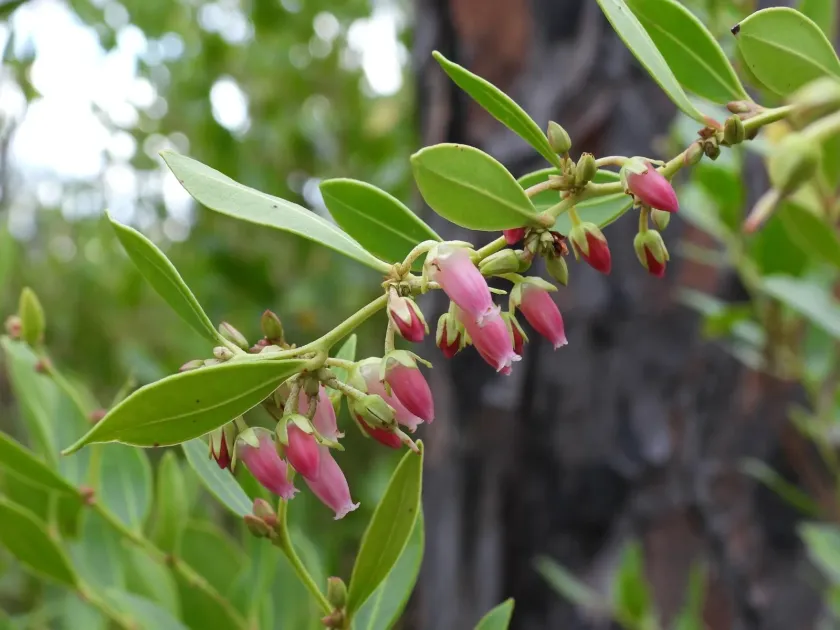
Description
Growing requirements
Lyonia lucida, commonly known as Fetterbush, is an evergreen shrub belonging to the Ericaceae family. It is native to the southeastern United States, where it naturally occurs in low, swampy woods and along the edges of permanent bodies of water.
The plant is highly regarded for its glossy, leathery leaves and clusters of small, urn-shaped flowers that bloom in late spring. These flowers vary in color from creamy white to pinkish-red, adding significant ornamental value to gardens that can mimic wetland environments.
Growing Fetterbush successfully requires strict adherence to soil requirements. The plant is a classic acid-loving species that thrives only in acidic, organic-rich, and consistently moist soil conditions. Neutral or alkaline soils will inevitably cause nutrient deficiencies.
Climate preferences for this shrub include high humidity and protection from extreme temperature fluctuations. While it is hardy in many zones, it performs best when sheltered from drying winter winds and excessive afternoon sun, preferring partial shade throughout the day.
Proper maintenance involves keeping the soil consistently moist but never waterlogged. Regular mulching with organic materials such as pine needles or peat moss is highly recommended to regulate soil temperature and maintain the essential acidic pH levels.
Main diseases and pests
Like many members of the Ericaceae family, Fetterbush is susceptible to root rot, particularly when planted in heavy, poorly drained soil. Ensuring a light, porous soil mix is the primary defense against soil-borne fungal pathogens that thrive in wet conditions.
Pests such as scale insects and spider mites are common threats, especially when the shrub is under stress from drought or improper light levels. Infestations manifest as yellowing leaves and reduced vigor, requiring careful monitoring of foliage.
Integrated pest management strategies are advised to handle outbreaks. Horticultural oils or mild insecticidal soaps can be effective if applied correctly, though it is crucial to avoid heavy chemical sprays that might scorch the sensitive evergreen foliage.
Iron chlorosis is a common physiological threat caused by high soil pH levels. When the iron becomes unavailable to the plant, leaves turn yellow while the veins remain green; this can be corrected by amending the soil with iron chelates and acidic fertilizers.
Pruning is recommended only for removing dead or damaged wood to prevent the entry of wood-decay fungi. Maintaining plant health through proper site selection is the most effective way to prevent these common ailments from affecting the shrub's longevity.