
Rusty staggerbush
Lyonia ferruginea
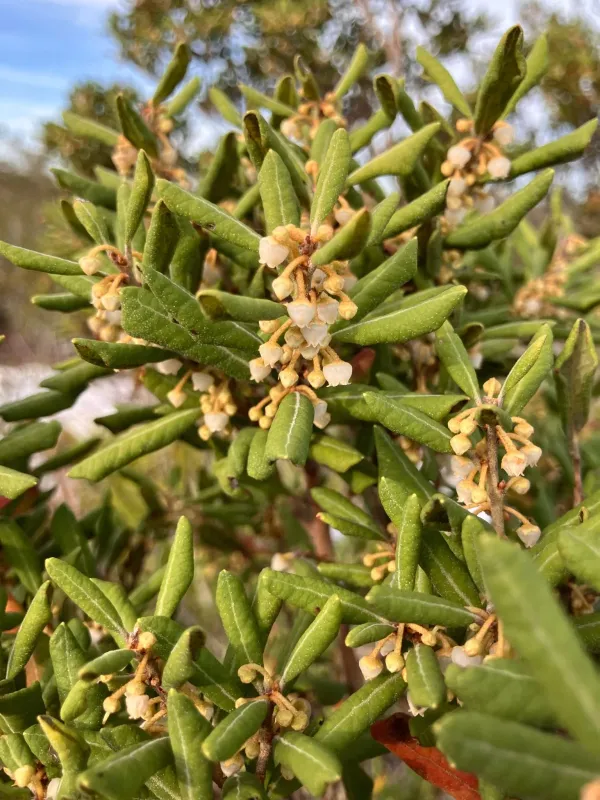
Description
Growing requirements
Rusty staggerbush (Lyonia ferruginea) is an evergreen shrub or small tree belonging to the Ericaceae family. It is native to the southeastern United States, primarily inhabiting dry sandy scrublands and pine flatwoods.
The plant thrives in well-drained, acidic, and sandy soils. Providing proper drainage is essential for this species, as it is highly sensitive to root asphyxiation caused by waterlogged soil conditions.
In terms of light exposure, it prefers full sun or partial shade. These environmental conditions mimic its natural habitat, allowing the foliage to maintain its characteristic rusty appearance.
Climate adaptation is a key factor; it is suitable for warm temperate regions. Growers must ensure that the planting site provides protection from harsh frost, as extreme cold can be detrimental to young specimens.
General maintenance involves keeping the soil acidity levels within an optimal range. Unlike many garden crops, it requires minimal fertilization but benefits from organic mulch to maintain soil moisture and temperature balance.
Main diseases and pests
Root rot is the most common threat to Lyonia ferruginea, usually occurring when the plant is grown in heavy or poorly draining soils. Proper site selection is the primary defense against this pathogen.
Insect pests like scale insects and spider mites can occasionally affect the plant, especially if the specimen is stressed by improper environmental conditions or lack of air circulation.
Foliar diseases, such as leaf spot, may occur in humid environments where there is insufficient airflow between the branches. This can lead to premature leaf drop and weakened growth.
Nutrient deficiency, specifically chlorosis, is observed if the soil pH becomes too alkaline, preventing the plant from absorbing necessary micronutrients like iron.
Control measures should focus on cultural practices, such as proper spacing and irrigation management, rather than relying solely on chemical intervention.