
Oval-leaf lyonia
Lyonia ovalifolia
Description
Growing requirements
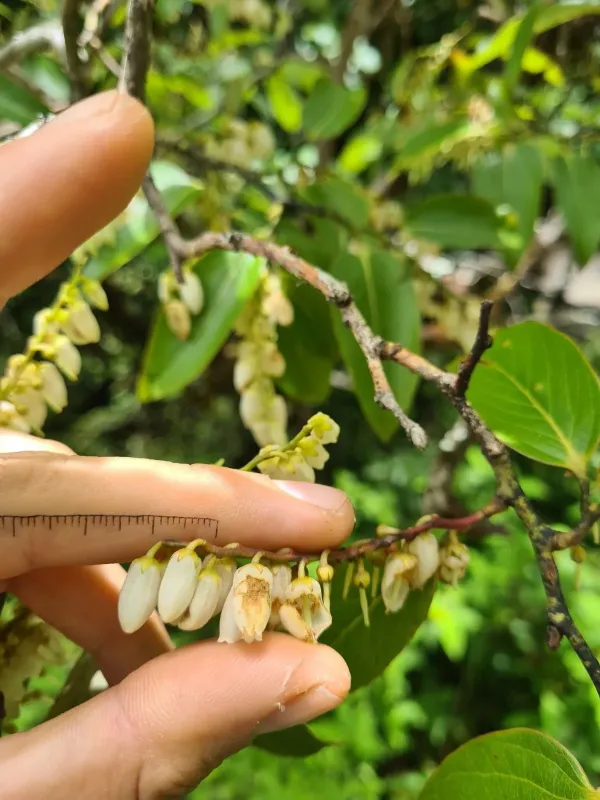
Oval-leaf lyonia (Lyonia ovalifolia) is a distinguished deciduous shrub belonging to the Ericaceae family. It is recognized for its elegant foliage and racemes of bell-shaped flowers, which provide significant aesthetic value to botanical collections and professional landscaping projects.
This species is native to the Himalayas, China, and Japan. In its natural habitat, it thrives in mountainous forest regions, which has dictated its specific requirements for climate, moisture, and soil composition when cultivated in gardens or specialized nurseries.
Successful cultivation requires acidic, well-draining soil rich in organic matter. Similar to other members of the Ericaceae family, it cannot tolerate waterlogged soils, as poor drainage is the primary cause of root rot and subsequent decline in plant health.
Climatic requirements focus on protection from harsh winds and extreme frost. While it enjoys a temperate climate, it performs best in sheltered spots that offer protection from intense, direct midday sun, which can dehydrate the plant during the summer peak.
Agrotechnical maintenance centers on consistent moisture levels and mulching with acidic organic materials like peat or conifer bark. This practice regulates soil temperature and prevents the rapid loss of soil acidity necessary for the plant’s nutrient uptake.
Main diseases and pests
The plant is susceptible to various fungal diseases, specifically leaf spot, which is often exacerbated by poor air circulation and excessive humidity. Maintaining proper spacing and pruning for aeration is an essential preventive measure for healthy growth.
In terms of pests, spider mites and scale insects are the most common threats to Lyonia ovalifolia. Integrated pest management strategies, including the use of neem oil or specific systemic insecticides, are advised to prevent leaf damage and maintain the shrub's vigor.