
Box huckleberry
Gaylussacia brachycera
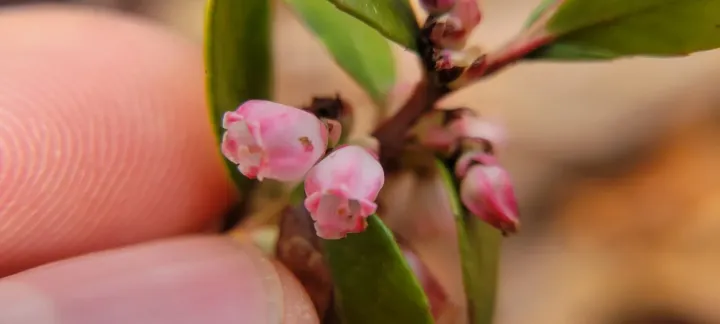
Description
Growing requirements
Box huckleberry (Gaylussacia brachycera) is a rare evergreen shrub belonging to the Ericaceae family. Native to the Appalachian region of the United States, it is widely recognized for its high ecological adaptation to shaded, woodland environments.
To successfully cultivate this species, one must strictly maintain acidic soil conditions, ideally with a pH level between 4.5 and 5.5. The soil should be consistently moist yet well-drained, resembling the organic-rich forest floor substrate where it grows in the wild.
The plant thrives in partial to full shade, making it a perfect groundcover for wooded gardens. It features leathery, boxwood-like leaves, which explains its common name, and it exhibits a distinct habit of spreading via underground rhizomes to form large colonies.
Climatic requirements involve moderate temperate zones where the plant is protected from extreme desiccation. While it is hardy in colder regions, it benefits from a thick layer of organic mulch to protect its shallow root system from extreme temperature fluctuations.
Horticultural interest in this plant has grown due to its durability and aesthetic appeal, particularly in autumn when the foliage turns deep shades of bronze and red. While the blue berries are edible and have a pleasant taste, the plant is primarily cultivated for ornamental landscaping.
Main diseases and pests
Pathogenic fungi are the primary threat to the box huckleberry, especially in poorly drained soils where stagnant water promotes root rot. Maintaining an airy and well-drained growing medium is the single most important factor in preventing these infections.
In terms of pest management, the plant is relatively resilient due to its natural chemical defenses. However, in low-humidity environments, spider mites can occasionally infest the foliage, leading to yellowing and a decline in the plant's overall vigor.
Preventive care is essential for ensuring longevity. A routine application of pine needle mulch or similar acidic organic matter helps suppress pathogens and maintain the necessary soil chemistry while suppressing competitive weeds that could introduce unwanted pests.
Air circulation is crucial to prevent the development of powdery mildew. Planting in a location with gentle natural airflow and ensuring appropriate spacing between individual plants will significantly reduce the risk of humidity-related disease outbreaks.
If disease symptoms arise, intervention should focus on pruning affected parts and adjusting irrigation schedules rather than heavy pesticide use. Monitoring the soil moisture levels regularly ensures that the plants remain in an optimal state of health throughout the growing season.