
Gaylussacia dumosa
Gaylussacia dumosa
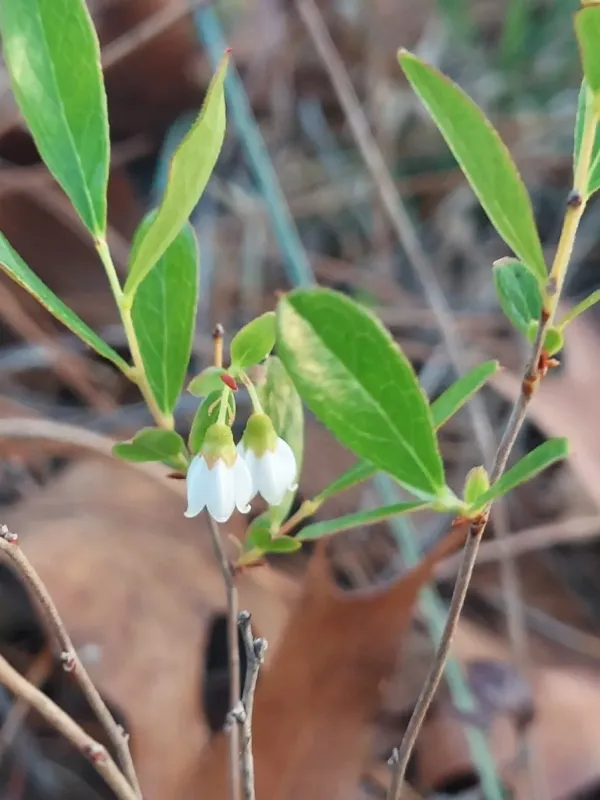
Description
Growing requirements
Gaylussacia dumosa, commonly known as the dwarf huckleberry, is a deciduous or semi-evergreen shrub belonging to the Ericaceae family. It is a close relative of blueberries and cranberries, typically reaching a modest height of 30 to 60 centimeters with slender, often pubescent stems.
Native to the eastern parts of North America, this species thrives in sandy plains, pine barrens, and moist, boggy areas. The plant exhibits high adaptability to nutrient-poor but acidic substrates, which is a vital factor for successful introduction in specialized agricultural and domestic garden settings.
Cultivation requires a highly acidic soil environment (pH 4.5–5.5) and consistently moist substrate conditions. The root system is shallow, necessitating regular mulching with pine needles, peat, or bark to retain moisture and stabilize the soil acidity levels essential for optimal growth.
The plant prefers sunny locations or areas with dappled sunlight, mirroring the conditions found in open coniferous forests. In regions prone to intense summer heat, light afternoon shade is beneficial to prevent the overheating of the shallow root system and excessive moisture loss from the soil surface.
Propagation for agricultural purposes is primarily conducted via vegetative methods, such as stem cuttings or division of existing clumps. Seed propagation is generally less favorable due to the requirement for long stratification periods and a notoriously low germination rate in non-controlled conditions.
Yield
The primary agricultural utility of Gaylussacia dumosa lies in its edible berries, which offer a flavor profile similar to blueberries but with a more intense aroma and a distinct texture due to the presence of numerous small seeds. These berries reach maturity in late summer and are valued for their high antioxidant content.
Yield potential is significantly influenced by the maturity of the shrub and the quality of management practices. In commercial setups, consistent harvesting typically begins three to four years after planting. The berries grow in loose clusters, making manual harvesting more efficient than with many other small-fruit species.
Culinary applications include the production of jams, preserves, desserts, and fillings for baked goods. Due to the high anthocyanin concentration, the fruit is considered a functional food product, attracting interest from growers focused on healthy, organic, and artisanal niche markets.
Beyond berry production, the shrub holds significant value in ornamental landscaping, particularly due to its vibrant autumn foliage. This dual-purpose utility makes the species a versatile choice for farms that integrate berry cultivation with the production of ornamental plants for landscaping purposes.
The economic viability of cultivating dwarf huckleberry relies on maintaining specialized microclimates, often similar to those required for highbush blueberries. However, the compact size of the plant allows for more manageable protection against birds, extreme weather, and pests compared to taller berry bushes.
Main diseases and pests
The primary threats to Gaylussacia dumosa include various fungal diseases that proliferate in conditions of poor drainage or waterlogging. Persistent water stagnation leads to root rot and collar decay, which can quickly prove fatal to the plant’s shallow root system.
Common pests associated with the Ericaceae family, including leaf beetles and spider mites, can damage tender foliage during periods of drought. Consistent plantation scouting and adhering to rigorous agronomic standards can significantly reduce the necessity for chemical pest control interventions.
Improper soil pH levels frequently result in iron chlorosis, characterized by yellowing of the leaves between the veins. This deficiency signals the plant's inability to uptake essential micronutrients from the soil, which is a direct consequence of an unsuitable, less-than-acidic environment.
For effective disease prevention, it is crucial to maintain appropriate spacing between plants to ensure optimal air circulation throughout the canopy. Regular spring pruning of aged, diseased, or dead branches is a necessary maintenance step to minimize the inoculum load on the plantation.
If severe pest infestations or foliage spotting occur, the application of biological control agents or targeted, berry-safe fungicides is recommended. Growers must strictly adhere to the pre-harvest interval (PHI) to ensure the safety and marketability of the berry crop.