
Bear huckleberry
Gaylussacia ursina
Description
Growing requirements
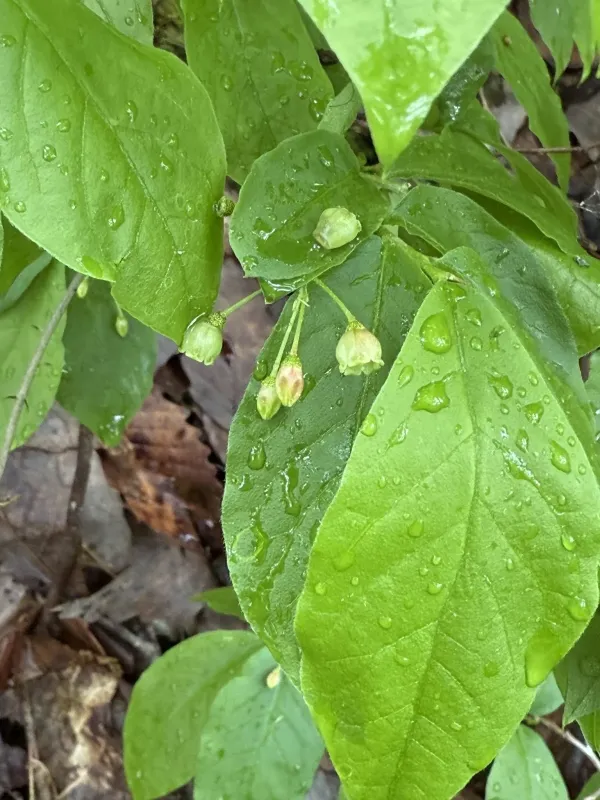
Bear huckleberry (Gaylussacia ursina) is a deciduous shrub belonging to the Ericaceae family. It is a distinctive member of the genus Gaylussacia, native to the mountainous regions of the southeastern United States.
This species is specifically adapted to moist, acidic soil conditions found in woodland habitats. It thrives in well-drained soils rich in organic matter, typically requiring a pH level between 4.5 and 5.5.
Regarding climatic requirements, the plant prefers temperate conditions with high humidity levels. It performs best in partial shade, mimicking the filtered light of a forest canopy environment.
Cultivation success depends heavily on mimicking its natural soil profile. Regular mulching with acidic organic materials, such as pine needles or peat moss, is essential to regulate soil temperature and moisture.
Avoidance of alkaline conditions is crucial; the use of tap water containing high levels of calcium carbonate can negatively affect plant development and lead to nutrient deficiencies.
Harvesting
The fruits of Gaylussacia ursina are small, black, and spherical berries. Unlike blueberries, these berries contain several relatively large seeds, which are a defining botanical characteristic of the genus.
Harvesting typically occurs in late summer. As the fruits mature, they develop a deep dark color, indicating readiness for picking. Harvesting should be performed manually to prevent mechanical injury to the fragile berries.
Post-harvest handling is critical due to the perishable nature of the berries. They are best utilized shortly after picking, either consumed fresh or processed into jams, syrups, and culinary preserves.
In terms of agricultural value, bear huckleberry is primarily cultivated as a specialty crop or a botanical curiosity. Its commercial production is constrained by its specific site requirements and processing characteristics.
The berries are rich in health-beneficial phytochemicals, including various anthocyanins, which make them a topic of interest for those exploring minor fruit crops and antioxidants.