
Black huckleberry
Gaylussacia baccata
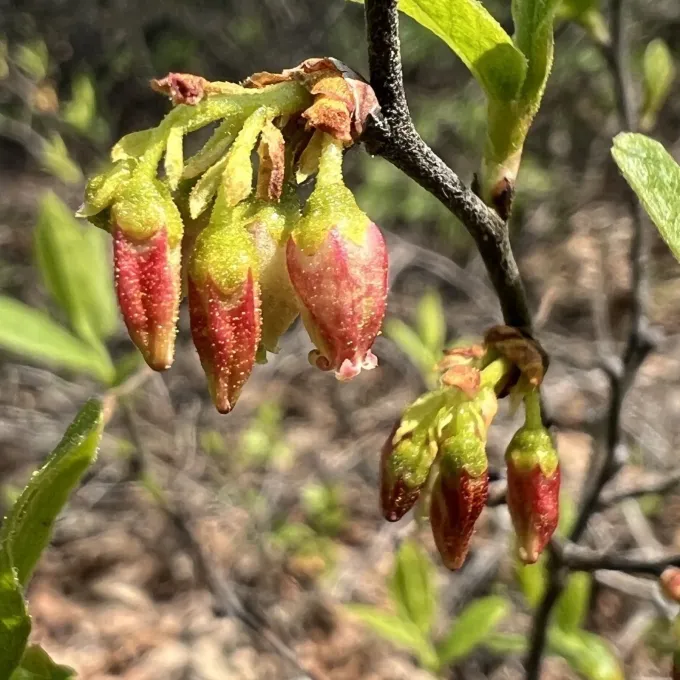
Description
Sowing dates
The black huckleberry (Gaylussacia baccata) is a deciduous shrub belonging to the Ericaceae family, native to North America. Propagation is typically achieved through seeds, which require a cold stratification period to break dormancy and ensure germination.
The optimal time for sowing seeds is early spring, following the cold treatment. For vegetative propagation, softwood cuttings taken in mid-summer are highly effective, provided they are kept in a high-humidity environment to encourage root development.
Choosing the correct site is crucial; the plant thrives in areas with dappled sunlight. While it can tolerate full sun in cooler climates, partial shade is generally preferred to prevent leaf scorching and excessive drying of the soil.
The soil preparation process involves creating an acidic, well-draining environment. Incorporating peat moss and pine needles helps achieve the necessary acidity and organic matter content required for healthy growth.
Young plants require consistent watering during their establishment phase. Ensuring the root ball remains moist but never waterlogged is key to developing a strong and resilient root system over the first two seasons.
Growing requirements
Black huckleberries are acidophilic, meaning they demand acidic soil conditions. A pH range of 4.5 to 5.5 is ideal; in soil with a higher pH, the plants will struggle, typically exhibiting chlorosis and stunted growth.
These shrubs require moderate to high atmospheric humidity. In drier regions, supplementing natural rainfall with irrigation or using a thick layer of organic mulch can significantly improve plant vigor and survival rates.
Fertilization should be handled with care, using only products labeled for acid-loving plants. Avoid fertilizers containing lime or high concentrations of nitrates, as these can easily damage the delicate root system.
Cold hardiness is a notable trait, allowing the plant to survive harsh winters in its native range. However, newly planted specimens benefit from a protective layer of mulch around the base during their first winter.
Pruning is essential for maintaining plant health and productivity. By removing dead or crossing branches in early spring, the gardener improves airflow through the crown, reducing the risk of fungal pathogens.
Yield
The fruit of the black huckleberry consists of small, sweet, black or dark blue berries that ripen from mid-to-late summer. Yield depends significantly on the age of the shrub and the quality of the soil environment.
In optimal conditions, the plant is quite productive, producing clusters of berries along the branches. Regular pruning and maintenance of soil moisture are the most effective ways to maximize fruit size and total yield.
The berries are highly nutritious, containing significant levels of antioxidants and vitamins. This makes them a popular choice for artisanal food products, including jams, jellies, and fresh culinary applications.
Because the berries do not all ripen at the same time, harvesting is usually a multi-step process. This staggered ripening allows for a steady supply of fresh berries throughout the summer months.
A well-maintained black huckleberry bush can remain productive for over a decade. Consistent annual maintenance and moisture management are the primary drivers of long-term yield stability.
Main diseases and pests
The most common disease affecting black huckleberry is powdery mildew, which thrives in humid, stagnant conditions. Improving airflow through regular pruning and avoiding overhead watering can mitigate this risk significantly.
Pests such as aphids and spider mites can occasionally attack the foliage, particularly during dry spells. Monitoring the leaves and using insecticidal soaps if necessary helps manage these infestations effectively.
Root rot is a major threat if drainage is insufficient. The plant requires a porous soil structure; therefore, avoid heavy clay soils or sites prone to standing water to maintain plant health.
Chlorosis is a common physiological issue caused by high soil pH. Keeping the soil acidic through the addition of elemental sulfur or organic amendments prevents this discoloration and ensures healthy leaf development.
Autumn maintenance, including the removal of fallen leaves, is important for disease prevention. Clearing debris from beneath the bushes helps reduce the overwintering potential of various fungal spores and pests.
Harvesting
Harvesting black huckleberries is a manual task requiring patience, as the berries are small and delicate. Gentle handling is necessary to prevent bruising the fruits, which would lead to rapid decay.
Harvesting should ideally occur on dry mornings after the dew has evaporated. Dry berries have a significantly longer shelf life and are less prone to developing mold during storage and transportation.
While some specialized picking tools exist, manual harvesting remains the gold standard for quality control. It allows the picker to select only the fully ripe berries while leaving unripe ones to mature further.
Freshly harvested berries should be kept cool and consumed or processed within a few days. For long-term storage, the berries freeze exceptionally well and retain much of their nutritional value and flavor.
After the final harvest, the plant enters a maturation phase in preparation for winter. Providing adequate water during the late autumn allows the shrub to build reserves, ensuring a strong start the following year.