
Gaulnettya wisleyensis
Gaulnettya wisleyensis
Description
Growing requirements
Gaulnettya wisleyensis is a recognized intergeneric hybrid belonging to the Ericaceae family. It is a result of cross-breeding between species of Gaultheria and Pernettya, inheriting the hardiness and decorative beauty of its ancestors.
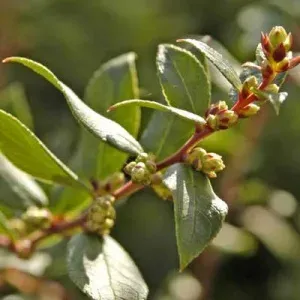
This evergreen shrub is characterized by a compact growth habit, making it an excellent candidate for decorative landscaping. Its leaves remain glossy and green throughout the year, adding constant visual interest to the garden.
The fundamental requirement for successful cultivation is acidic soil. Like most members of the heather family, Gaulnettya thrives in peat-based or sandy, well-draining soils that maintain moisture without becoming waterlogged.
Climate preferences include regions with moderate temperatures. The plant performs best in partial shade, where it is shielded from the intense heat of direct mid-day sun, which can dehydrate the foliage.
Regular maintenance involves mulch application around the base of the plant. Using acidic mulch materials like pine bark or needles ensures that the soil pH remains in the optimal range for sustained growth.
Main diseases and pests
Root rot and Phytophthora are the most significant threats to Gaulnettya, usually triggered by poor drainage or excessive soil moisture. These conditions can devastate the root system if not addressed early.
Spider mites are common pests that may infest the plant during hot and dry spells. These pests suck sap from the leaves, causing discoloration and eventual drop if not treated with appropriate miticides.
Leaf chlorosis is a common physiological issue often caused by high soil alkalinity. When the pH level rises above the required threshold, the plant loses its ability to absorb iron and other essential nutrients.
Proper plant spacing is essential to prevent the spread of fungal diseases. Ensuring sufficient air circulation reduces the humidity around the foliage, which is a key factor in keeping the plant healthy.
Integrated pest management, including regular monitoring and the use of balanced, acid-loving plant fertilizers, helps bolster the shrub’s natural resistance against common environmental stressors.